The Crucial Habit Flight Attendants Beg Passengers to Stop for Safety

Key Points
- 1FAA data shows 79% of serious turbulence injuries between 2009 and 2021 were sustained by cabin crew, highlighting the risk to staff.
- 2NTSB analysis indicates that nearly all severely injured passengers in turbulence incidents were not wearing their seatbelts.
- 3The International Air Transport Association (IATA) created the Turbulence Aware platform to improve real-time data sharing among airlines to better avoid unexpected air turbulence.
- 4Flight attendants urge passengers to keep their seatbelts loosely fastened even when the sign is off for continuous protection.
The primary role of a flight attendant is safety. Their duties go far beyond serving drinks. They are trained professionals focused on emergency response. For this reason, one passenger habit consistently frustrates and endangers the crew: ignoring the fasten seat belt sign.
Flight attendants stress that the sign is not a suggestion. It is a critical aviation safety regulation. Failure to comply poses the single greatest risk of injury during a flight.
The Real Danger of Unexpected Air Turbulence
Turbulence remains the leading cause of non-fatal accidents. It also causes the most in-flight injuries for both passengers and crew. The danger often comes without warning. Clear-air turbulence is especially difficult to predict. It occurs suddenly in cloudless skies.
According to the Federal Aviation Administration (FAA), there were 146 serious turbulence injuries in U.S. airspace between 2009 and 2021. The National Transportation Safety Board (NTSB) reports that most seriously injured passengers were either unbuckled or out of their seats. One NTSB analysis of 123 severely injured passengers found only one was wearing a seatbelt. This data underscores the importance of the simple safety measure.
Why Crew Members Are at Higher Risk
Flight attendants are disproportionately affected by turbulence. They must move around the cabin for their safety duties. This includes securing the galley and checking on passengers. Of the 146 serious injuries reported by the FAA from 2009 to 2021, nearly 79% were sustained by crew members. Industry data suggests crew members are 27 times more likely to be hurt than seated passengers.
When a passenger is standing, a sudden jolt can turn them into a projectile. This endangers the passenger and anyone nearby. It also forces the cabin crew to intervene. This intervention puts the flight attendant at greater risk.
Industry Response and Passenger Well-being
Airlines and global bodies are working to mitigate turbulence risks. The International Air Transport Association (IATA) launched the Turbulence Aware platform in 2018. This program shares real-time turbulence data among participating airlines. This allows pilots to make better routing decisions. Despite these advancements, unexpected events still occur.
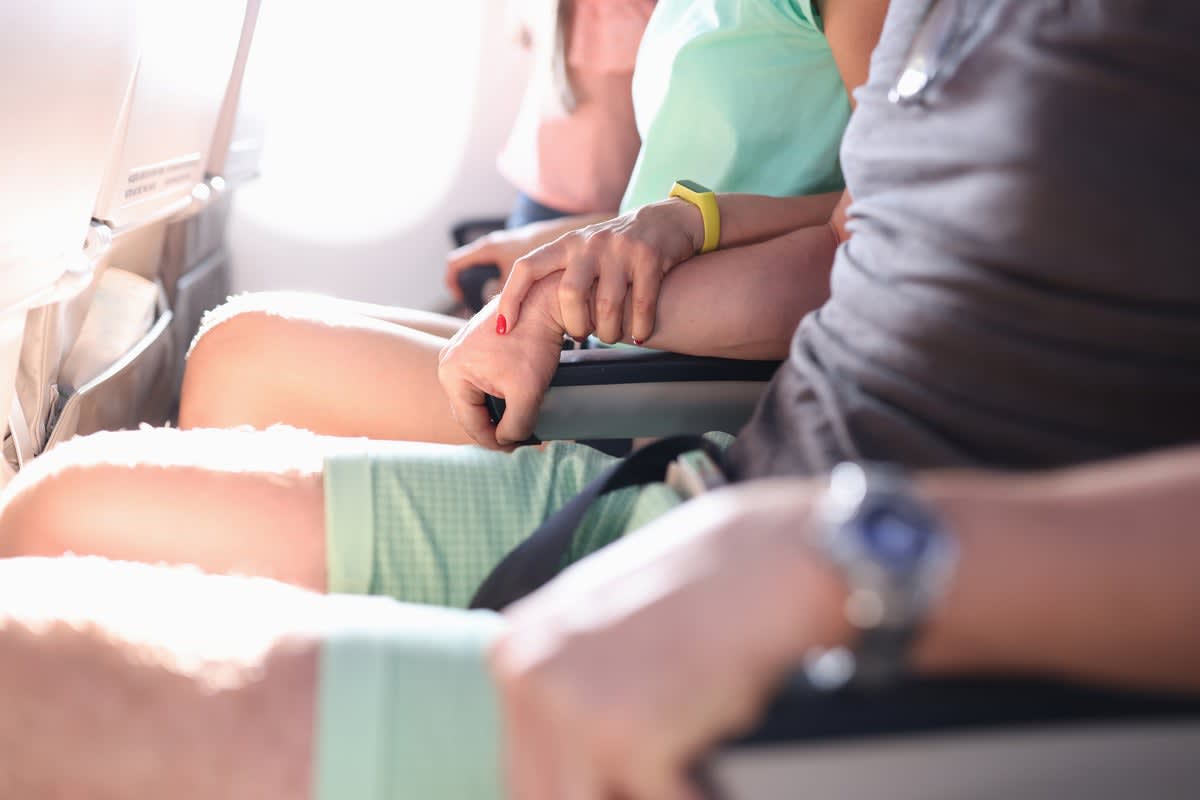
Flight attendants recommend a simple rule: Keep your seatbelt loosely fastened at all times while seated. This allows for comfort but ensures immediate protection. This simple habit is the best way to protect yourself. It also allows the cabin crew to focus on their primary safety roles. This small act of compliance contributes to a smoother flight for everyone onboard.
For more insights into commercial aviation news, visit flying.flights.
Topics
You Might Also Like
Discover more aviation news based on similar topics
Which North American Airports and Flights Have the Worst Turbulence?
Denver International Airport and high-altitude routes in the Mountain West top a new list of North America's most turbulent airports and flights, according to turbli.com data.

British Airways Airbus A380 Turbulence Injures Two Despite Seatbelt Warning
British Airways A380 turbulence over the North Atlantic seriously injured one passenger and one crew member, highlighting the risk of unexpected clear-air turbulence.

British Airways A380 Turbulence Breaks Passenger's Ankle After Missed Seatbelt Sign
British Airways A380 turbulence incident in December 2024 caused a passenger broken ankle and a cabin crew injury, prompting an AAIB investigation seatbelt compliance warning.
Which North American Airports Have the Worst Turbulence?
Denver International Airport and several mountainous flight routes top the new 2025 North America turbulence rankings, according to aviation data site Turbli.com.

British Airways Airbus A380 Turbulence: Two Sustain Broken Bones on LAX-LHR Flight
The AAIB is investigating a British Airways Airbus A380 flight from LAX to LHR where two people suffered broken ankles due to unexpected turbulence.
Fatal Aviation Accidents Fall, But 2025 Death Toll Rises to 389.
The 2025 air travel safety review found the fatal accident rate dropped to one in seven million flights, despite four major crashes causing 389 total deaths.