To Prevent Another Tragedy, FAA Permanently Restricts Airspace Near Reagan National Airport

Aviation News Editor & Industry Analyst delivering clear coverage for a worldwide audience.
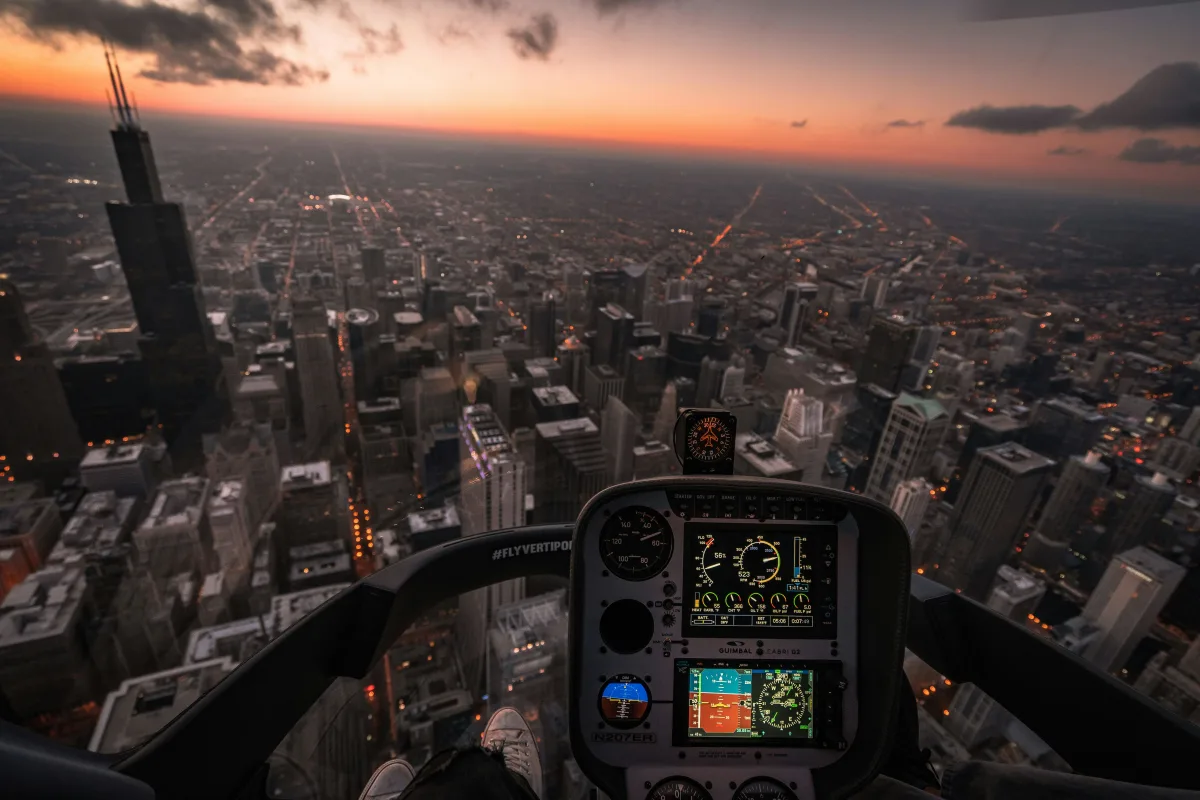
FAA permanently restricted airspace near Reagan National Airport, banning mixed helicopter and airliner traffic after last year's deadly collision.
Key Takeaways
- •FAA permanently enacted temporary airspace rules near Reagan National Airport (DCA) following a deadly mid-air collision.
- •The new regulations mandate strict separation, prohibiting helicopters and airplanes from sharing the same airspace to mitigate collision risk.
- •Key safety changes include banning air traffic controllers from using visual separation and requiring all military aircraft to broadcast their location.
- •The collision, which killed 67 people, was linked to a poorly designed helicopter route and a lack of required military aircraft tracking.
The Federal Aviation Administration (FAA) has finalized permanent airspace rules for the crowded skies around Washington D.C.. This decision makes mandatory the temporary restrictions put in place after a devastating mid-air collision. The accident involved an American Airlines passenger jet and an Army Black Hawk helicopter. It occurred near Ronald Reagan National Airport (DCA) in January of last year. The new FAA permanent airspace rules are designed to prevent a similar tragedy. The collision killed 67 people, making it the deadliest U.S. air disaster since 2001.
Core Safety Regulations
The final rule, announced on a recent Thursday, takes effect immediately. It addresses critical safety gaps identified during the accident investigation. The National Transportation Safety Board (NTSB) has been investigating the crash. They previously highlighted an "intolerable risk" in the existing procedures.
Key components of the new aviation safety regulations include:
- Airspace Separation: Helicopters and fixed-wing airplanes must no longer share the same airspace around Reagan National Airport (DCA). This eliminates the narrow separation that existed on certain flight paths.
- Visual Separation Ban: Air traffic controllers are now prohibited from relying on air traffic control visual separation. Controllers previously asked pilots to maintain their own distance from other aircraft. The FAA halted this practice immediately after the crash.
- Military Aircraft Tracking: All military aircraft broadcast locations must be transmitted. This ensures their positions are clearly visible to controllers and other pilots. The Army Black Hawk involved in the collision reportedly had a key tracking system turned off.
Impact on DCA Operations
The new regulations enforce DCA helicopter restrictions more broadly. Helicopters are now generally banned from operating in the area. Exceptions are made only for essential flights. These include national security and medical transport missions.
If a helicopter must enter the restricted Washington D.C. airspace, air traffic control will temporarily halt commercial takeoffs and landings at DCA. This measure ensures absolute separation between the two types of aircraft. The NTSB had previously warned that the previous routes allowed aircraft to come within 75 feet of each other. This was especially true when secondary runways were in use.
Industry and Regulatory Context
Transportation Secretary Sean Duffy stated the permanent rules fulfill a promise. The promise was to secure the skies over the nation's capital. The FAA implemented the final rule quickly, bypassing the usual public comment period. This was due to the urgent need to mitigate the unacceptable risk of mid-air collisions. The agency cited the risk of a similar accident occurring.
Investigators found multiple factors contributed to the American Airlines Black Hawk collision. These included a poorly designed helicopter route and a faulty altimeter on the Black Hawk. The NTSB also noted the FAA failed to act on earlier warnings about the risks. The new rules directly address these systemic failures. The goal is to improve safety for all commercial aviation stakeholders. The permanent restrictions offer greater certainty for airlines and passengers using DCA.
Access up-to-date commercial aviation news and airline industry developments via flying.flights.
Written by Ujjwal Sukhwani
Aviation News Editor & Industry Analyst delivering clear coverage for a worldwide audience. Covers flight operations, safety regulations, and market trends with expert analysis.
Visit ProfileYou Might Also Like
Discover more aviation news based on similar topics

FAA Mandates Replacement of Certain Safran PBEs Due to Failure Risk
The FAA has issued an airworthiness directive mandating the replacement of certain Safran PBEs due to a manufacturing flaw that can block oxygen flow.

GCAA Suspends Two Controllers After Loss of Separation Incident in Guyana
Guyana's GCAA has suspended two air traffic controllers after a United and Turpial Airlines flight came within five miles, half the required separation.

American Airlines 737 MAX Shows Bullet Holes After Colombia Flight
Colombian authorities are investigating an American Airlines 737 MAX after bullet holes were found post-flight in Miami, likely from its landing in Medellín.

Air India Sees Technical Incidents Spike Fourfold in January
Air India recorded a fourfold rise in technical incidents to 1.09 per 1,000 flights in January, prompting intensified regulatory scrutiny and new inspections.

AOG Technics Founder Jailed for Global Fake Aircraft Parts Fraud
AOG Technics founder Jose Yrala was jailed for selling 60,000 fake jet-engine parts, causing nearly £40 million in damages to the global airline industry.

Airlines Resume Puerto Vallarta Flights as Jalisco Security Stabilizes
Mexican authorities report Jalisco security has stabilized, allowing airlines to resume flights to Puerto Vallarta and Guadalajara after cartel violence.