What Caused the Fiery Bombardier Challenger 600 Crash in Maine?

Aviation News Editor & Industry Analyst delivering clear coverage for a worldwide audience.
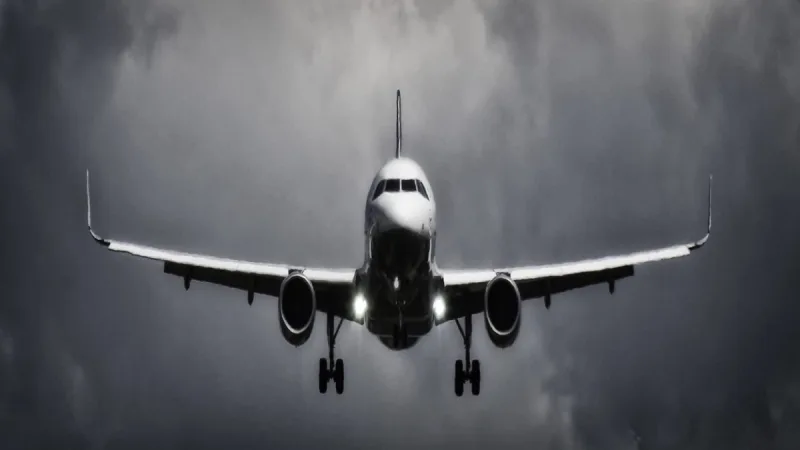
The NTSB is investigating a fatal January 25 Bombardier Challenger 600 private jet crash at Bangor International Airport, which killed six people during takeoff.
Key Takeaways
- •Six people died in the January 25 Bombardier Challenger 600 private jet crash during takeoff at Bangor International Airport.
- •The NTSB investigation is focusing heavily on severe winter weather and the potential role of wing icing/contamination.
- •The Challenger 600 series has a documented accident history related to the significant aerodynamic impact of trace ice on its wing design.
- •A preliminary NTSB report is expected within a month, with the final probable cause determination taking 12 to 24 months.
Six people died in a tragic private jet accident. The crash occurred on January 25 at Bangor International Airport (BGR) in Maine. The Bombardier Challenger 600 crash happened during takeoff. The jet was bound for Paris Vatry, France, after a stop from Houston. The National Transportation Safety Board (NTSB) is now leading the investigation. The Federal Aviation Administration (FAA) is also assisting the effort. The aircraft flipped and caught fire on the runway.
Accident Details and Fatalities
The flight manifest listed six individuals on board. This included four passengers and two crew members. All six people were presumed deceased. Among the passengers were an acclaimed chef and a sommelier. They were reportedly working for a luxury travel startup. The fatal private jet crash happened around 7:45 p.m. local time. The aircraft involved was a five-year-old Challenger 600.
Investigation Focus: Weather and Icing
The primary focus of the NTSB investigation Maine jet crash is the severe weather. A massive winter storm was hitting the area at the time. Conditions included heavy snowfall and extremely low temperatures. The temperature was reported at 3 degrees Fahrenheit (-16.1 degrees Celsius).
Investigators are closely examining wing contamination Challenger 600. Even trace amounts of ice can severely disrupt lift. This is a known issue for the Challenger 600 series. The private jet takeoff accident occurred shortly after the aircraft was de-iced.
Air traffic control audio suggested challenging conditions. Another airliner aborted its takeoff attempt nearby. This was due to concerns that ice was adhering to the wings. This highlights the critical nature of de-icing holdover time.
Challenger 600 Safety History
The Challenger 600 series has a documented history. It is known for sensitivity to wing ice accumulation. Previous accidents involved ice on the upper wing surfaces. The NTSB noted this in a 2004 Colorado crash report. That investigation found trace ice reduced lift by up to 33 percent. The manufacturer, Bombardier, has addressed these design characteristics. However, operators must maintain strict adherence to procedures.
NTSB Process and Industry Impact
The National Transportation Safety Board process is thorough. Investigators have recovered the flight data recorder and cockpit voice recorder. These are being analyzed in Washington, D.C. A preliminary report is expected in about a month. This report will state the basic facts of the incident.
The final probable cause report will take longer. It may take 12 to 24 months to complete. The NTSB seeks to prevent future accidents. This tragedy highlights aviation safety private jets procedures. Strict adherence to de-icing protocols is crucial. This is especially true during severe winter operations. The findings will be important for all business jet operators.
Trusted commercial aviation news and airline industry reporting are available at flying.flights.
Get the latest updates on major hubs, regional terminals, and airport operations via the Airports section at flying.flights/airports.
Written by Ujjwal Sukhwani
Aviation News Editor & Industry Analyst delivering clear coverage for a worldwide audience. Covers flight operations, safety regulations, and market trends with expert analysis.
Visit ProfileYou Might Also Like
Discover more aviation news based on similar topics

FAA Mandates Replacement of Certain Safran PBEs Due to Failure Risk
The FAA has issued an airworthiness directive mandating the replacement of certain Safran PBEs due to a manufacturing flaw that can block oxygen flow.

GCAA Suspends Two Controllers After Loss of Separation Incident in Guyana
Guyana's GCAA has suspended two air traffic controllers after a United and Turpial Airlines flight came within five miles, half the required separation.

American Airlines 737 MAX Shows Bullet Holes After Colombia Flight
Colombian authorities are investigating an American Airlines 737 MAX after bullet holes were found post-flight in Miami, likely from its landing in Medellín.

Air India Sees Technical Incidents Spike Fourfold in January
Air India recorded a fourfold rise in technical incidents to 1.09 per 1,000 flights in January, prompting intensified regulatory scrutiny and new inspections.

AOG Technics Founder Jailed for Global Fake Aircraft Parts Fraud
AOG Technics founder Jose Yrala was jailed for selling 60,000 fake jet-engine parts, causing nearly £40 million in damages to the global airline industry.

Airlines Resume Puerto Vallarta Flights as Jalisco Security Stabilizes
Mexican authorities report Jalisco security has stabilized, allowing airlines to resume flights to Puerto Vallarta and Guadalajara after cartel violence.