Why did Air India Express Boeing 737 MAX 8 return twice from fog-hit Lucknow?

Key Points
- 1Air India Express flight IX2171 circled Lucknow 28 times over two days, spending 171 minutes in holding patterns due to dense fog.
- 2The Boeing 737 MAX 8 was forced to return to Delhi because the Runway Visual Range (RVR) of 125 meters was below the DGCA-mandated minimum of 150 meters.
- 3The incidents highlight the major operational and logistical challenges posed by the DGCA's official winter fog window in North India.
An Air India Express flight from Delhi to Lucknow was forced to return to the capital city on two separate mornings. The aircraft, a Boeing 737 MAX 8, could not land due to extremely poor visibility at Lucknow Airport (LKO). This incident highlights the significant challenges of winter fog flight delays in North India.
Repeated Diversions Due to Low Visibility
Flight IX2171 faced disruptions on both January 2 and January 4. Over these two days, the aircraft spent a combined 171 minutes airborne near Lucknow. It circled the airport a total of 28 times before the crew decided to return to Delhi’s Indira Gandhi International Airport (DEL).
Key Details of the Incidents
On January 4, the flight arrived over Lucknow at 6:42 AM. Dense fog had reduced the Runway Visual Range (RVR) to just 125 meters.
This RVR measurement was far below the minimum required for a safe landing. The pilots held the aircraft in a circular pattern for 78 minutes, hoping for conditions to improve.
When the dense fog refused to lift, the Boeing 737 MAX 8 was forced to divert back to Delhi. A similar scenario unfolded on January 2. The same flight circled the airport 17 times over 93 minutes before returning to Delhi.
Regulatory Context and Operational Impact
The diversions underscore the strict safety protocols governing low-visibility operations (LVO). Aviation in India is regulated by the Directorate General of Civil Aviation (DGCA).
The DGCA mandates a minimum RVR for aircraft landings. For the January 4 incident, the reported RVR of 125 meters was below the DGCA-mandated minimum of 150 meters for safe landing.
Modern commercial aircraft like the 737 MAX are often equipped for Category III (CAT-III) operations. CAT-III systems allow landings in very low visibility. CAT-IIIB, for example, permits landings with an RVR as low as 50 meters.
However, the airport must also be certified for these advanced operations. Furthermore, the flight crew must be specifically trained and rostered for CAT-III landings. North India's winter fog season is officially designated by the DGCA. This period runs from December 10 to February 10.
This recurring weather pattern causes significant disruption. It affects flight schedules and passenger operations across the region. Other flights at Lucknow Airport also experienced delays that morning.
For the airline, repeated holding and diversions increase operational costs. These costs include extra fuel burn and crew duty time extensions. The incidents also highlight the need for robust contingency planning. This planning is essential for managing air travel disruption during peak fog season. For more on commercial aviation news, visit flying.flights.
Passenger and Industry Takeaways
- 28 circles over Lucknow Airport across two days demonstrate the severity of the fog and the pilots' adherence to safety protocols.
- The DGCA minimum visibility rule of 150 meters RVR was the critical factor in the diversion decision.
- Air India Express and other carriers must ensure CAT-III compliance for aircraft and crew. This is vital for maintaining schedules during the winter fog window.
- The use of a holding pattern is a standard LVO procedure. It allows time for RVR to potentially increase to the required minimum.
Topics
You Might Also Like
Discover more aviation news based on similar topics
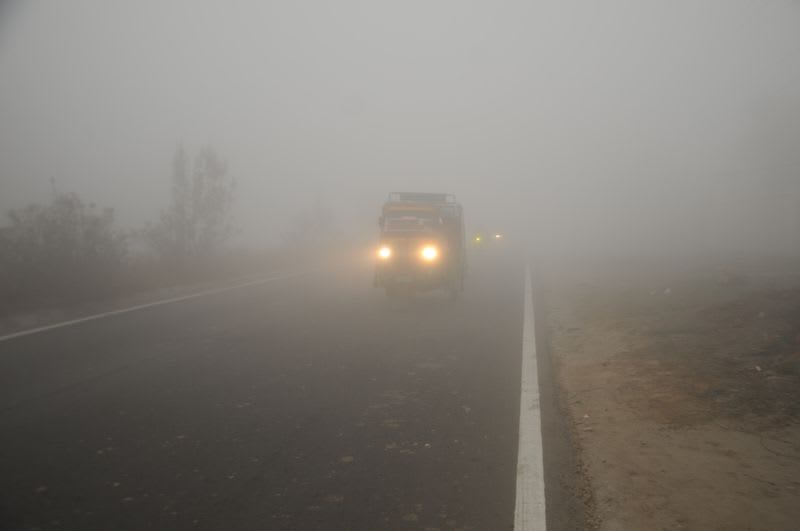
Why Dense Fog Grounded Air India Express, Malaysia Airlines Flights at Amritsar
Dense fog at Sri Guru Ram Das Jee International Airport (ATQ) caused multiple cancellations, including Air India Express and Malaysia Airlines services, due to low visibility.
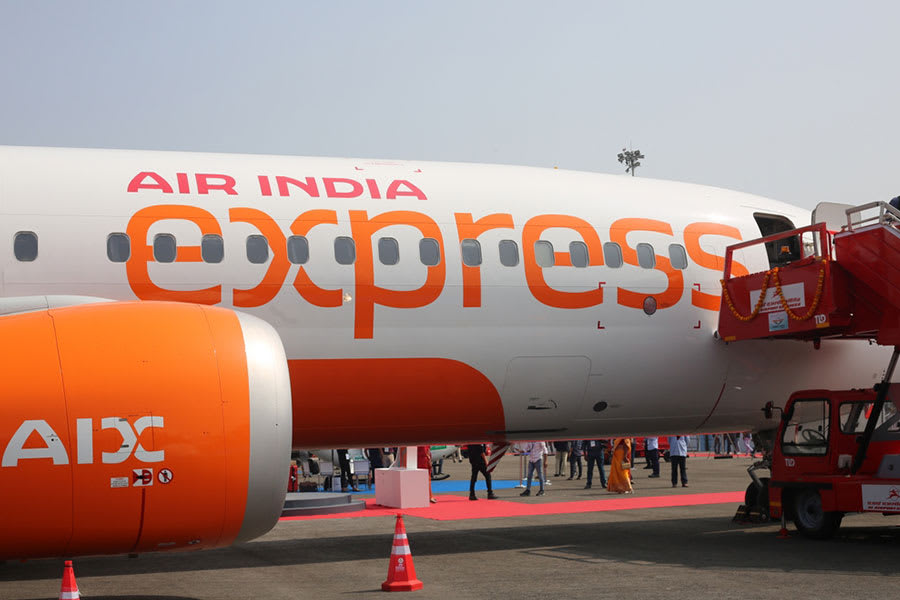
Alpa India Warns Air India Express Board: Rostering Misuse Risks Safety and Disruption
Air India Express faces a safety warning from Alpa India over alleged rostering misuse and retaliatory practices, risking IndiGo-like operational disruption.

Heavy Fog Forces Two IndiGo Flights to Divert from Hyderabad to Gannavaram
IndiGo diverted two Hyderabad-bound flights from Delhi and Mumbai to Gannavaram Airport (Vijayawada) on Friday due to heavy fog, affecting nearly 400 passengers.
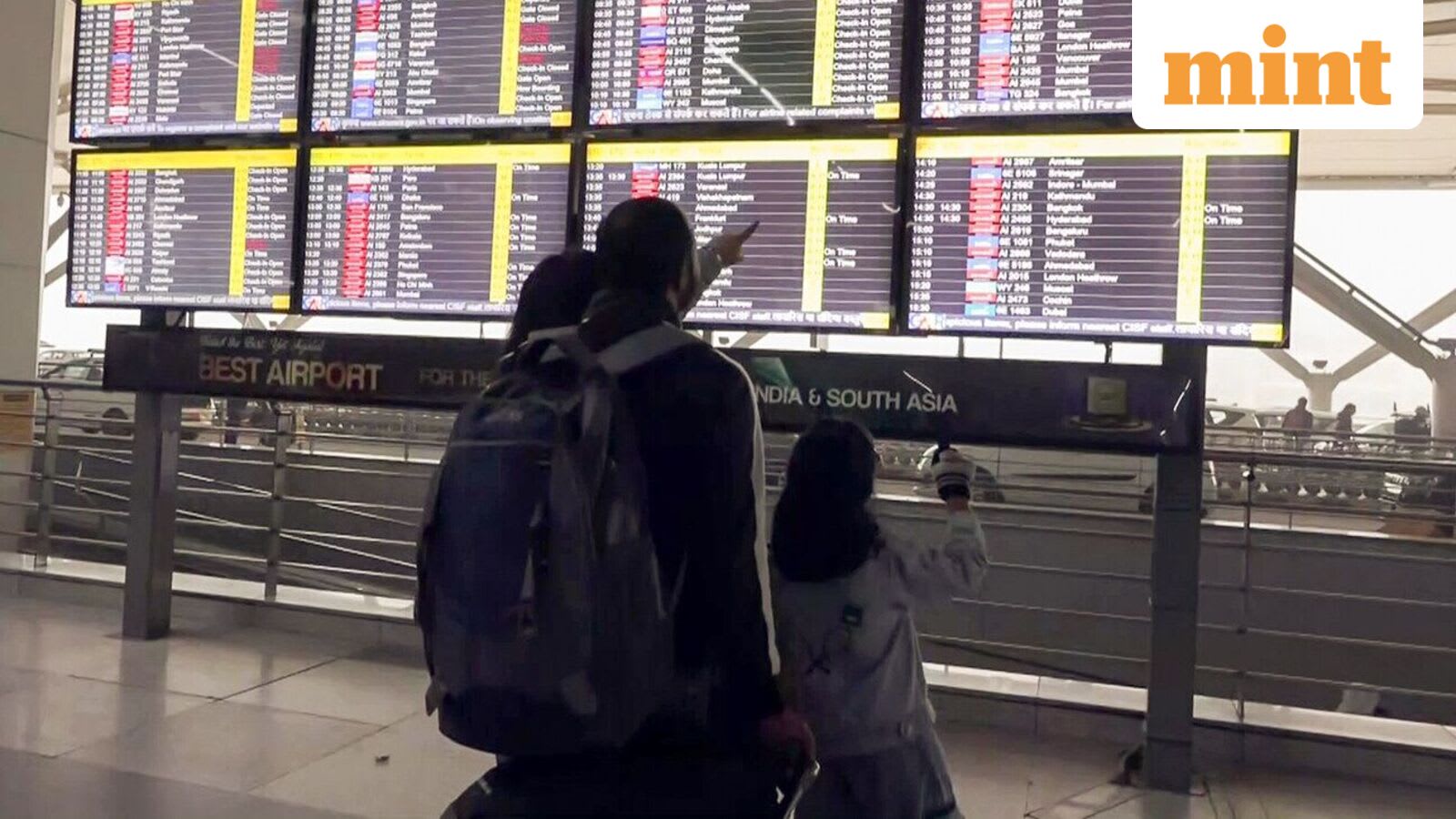
Delhi Dense Fog Threatens Air India, IndiGo Flight Schedules on New Year's Eve.
IndiGo and Air India have issued advisories for passengers due to the IMD's dense fog forecast, warning of significant flight schedule disruptions in Delhi and North India on December

Air India Express Pilot Arrested, Secures Bail After Indira Gandhi Airport Altercation
Air India Express pilot, Captain Virendra Sejwal, was arrested by Delhi Police for allegedly assaulting a passenger at Indira Gandhi International Airport (IGI), then secured bail.
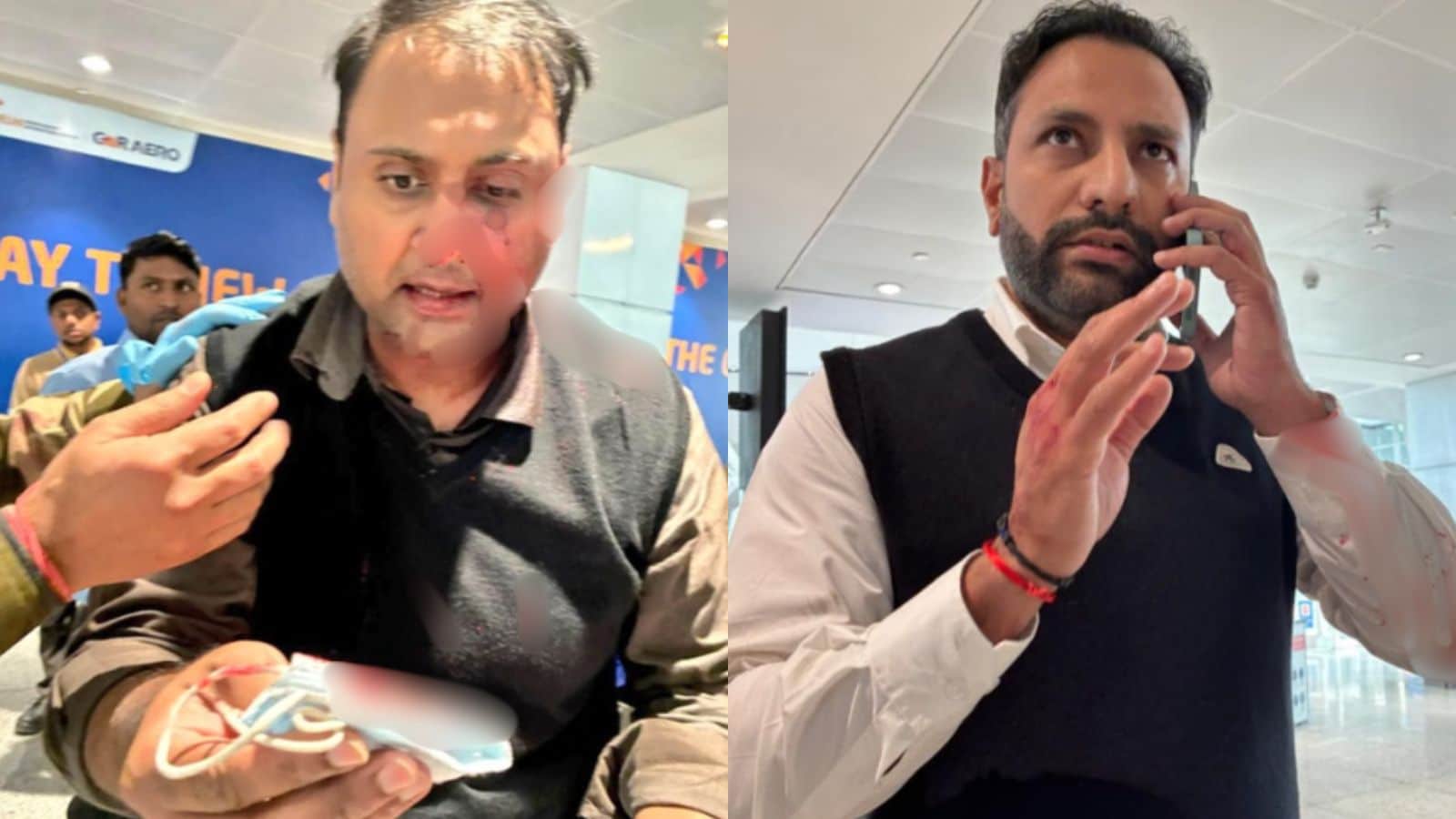
Air India Express Pilot Arrested for Alleged Assault at Delhi Airport, Released on Bail.
Air India Express removed an off-duty pilot from duties following his arrest and bail in a Delhi Airport passenger assault case, prompting a Ministry of Civil Aviation probe.
Never Miss Critical Aviation Updates
Get the top aviation stories delivered to your inbox every morning