Why did an Emirates Airbus A380 make a rare landing in Accra?

Key Points
- 1Emirates A380 flight EK261 diverted to Accra on January 9 due to an intermittent cargo smoke warning.
- 2Technical inspection at Kotoka International Airport confirmed the alert was a system malfunction, not an active fire.
- 3The precautionary diversion was made before crossing the South Atlantic, where A380-capable airports are scarce.
- 4The incident resulted in a six-hour delay to the Dubai-São Paulo service and marked only the third A380 landing in Accra.
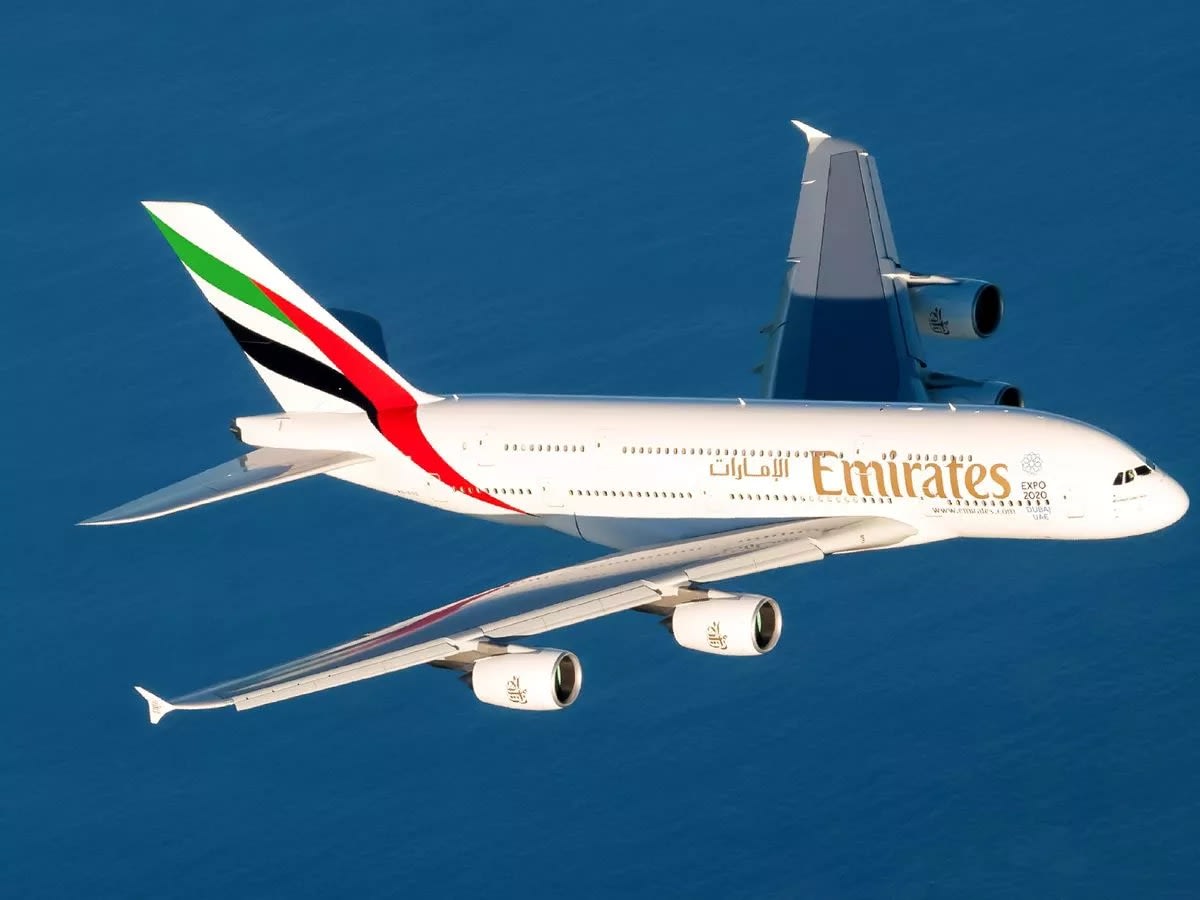
An Emirates Airbus A380 made an unscheduled landing in Ghana. The flight, EK261, was traveling from Dubai International Airport to São Paulo on Friday, January 9.
The crew received a technical warning mid-flight. The alert suggested possible smoke in the aircraft’s forward cargo compartment. The aircraft, registered A6-EUG, was crossing Africa at the time.
Precautionary Diversion to Accra
Acting with an abundance of caution, the flight crew initiated a diversion. They chose Kotoka International Airport (ACC) in Accra, Ghana. This decision followed standard operating procedures for such serious alerts.
Aviation analysts noted the critical timing of the diversion. Continuing further would have meant crossing the South Atlantic Ocean. Diversion options for the world’s largest passenger aircraft would have been significantly reduced.
The aircraft landed safely in Accra at about 4:30 pm local time. Emergency services and technical personnel met the jet. They conducted a thorough inspection of the cargo hold.
System Malfunction Confirmed
Inspectors later determined the alert was false. The smoke indication was caused by a system malfunction, not an active fire. The intermittent nature of the warning often suggests a sensor anomaly.
After clearance, the flight resumed its journey. It departed Accra at approximately 7:31 pm local time. The aircraft arrived at São Paulo’s Guarulhos International Airport about six hours late.
Rare A380 Appearance
The diversion marked a rare event for the West African airport. It was only the third time an Airbus A380 has landed at Kotoka International Airport. Emirates previously operated a one-off A380 service in 2018. This showcased the airport’s capacity for large aircraft.
British Airways also brought an A380 to Accra in 2022. That was a technical fuel stop during a Johannesburg to London flight.
This incident highlights strict adherence to safety protocols by Emirates crews. The quick, precautionary action is vital for long-haul flight safety. The Federal Aviation Administration (FAA) and other global regulators mandate a safety-first approach. This is especially true for cargo smoke warnings. Passengers were delayed, but they arrived safely. This demonstrates the effectiveness of crew training and protocols, as reported in commercial aviation news. You can read more about industry safety standards at https://flying.flights.
Topics
You Might Also Like
Discover more aviation news based on similar topics

Why Did an Emirates A380 Divert to Accra Due to a Cargo Smoke Alert?
Emirates A380 flight EK261 from Dubai to São Paulo diverted to Accra's Kotoka International Airport after a smoke alert cargo indication in the hold.
Why an Emirates Airbus A380 Was Forced to Return to London Heathrow
Emirates Airbus A380 flight EK002 from London Heathrow to Dubai made a precautionary return due to a landing gear door technical fault, safely landing after burning fuel.

Airbus Closes A380 Program: Emirates Receives Final Superjumbo Delivery
Emirates received the final Airbus A380 superjumbo delivery (MSN 272) on December 16, 2021, marking the official end of the A380 production program.

British Airways A380 Turbulence Breaks Passenger's Ankle After Missed Seatbelt Sign
British Airways A380 turbulence incident in December 2024 caused a passenger broken ankle and a cabin crew injury, prompting an AAIB investigation seatbelt compliance warning.

British Airways Airbus A380 Turbulence: Two Sustain Broken Bones on LAX-LHR Flight
The AAIB is investigating a British Airways Airbus A380 flight from LAX to LHR where two people suffered broken ankles due to unexpected turbulence.

How Emirates Uses Data and AI to Revolutionize Flight Operations and Safety
Emirates is using advanced data analytics and AI-driven tools like FlightPulse and IATA Turbulence Aware to significantly optimize flight operations, cut over 48,000 tonnes of fuel consumption, and enhance passenger safety.