Why Did the Lufthansa Group Ban Passenger Power Bank Use on All Flights?

Aviation News Editor & Industry Analyst delivering clear coverage for a worldwide audience.
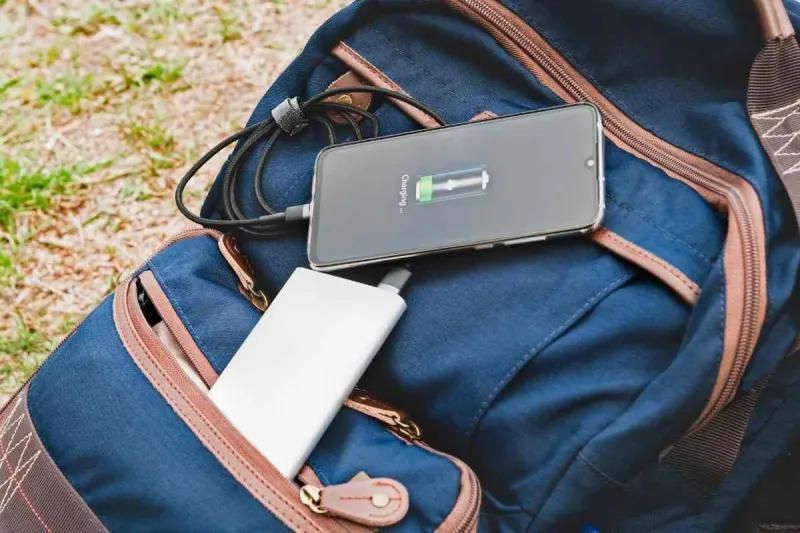
The Lufthansa Group banned the use and charging of power banks on all flights starting January 15, 2026, citing lithium-ion battery fire risks.
Key Takeaways
- •Lufthansa Group banned the use and charging of power banks on all flights starting January 15, 2026, across all member airlines.
- •Passengers are limited to a maximum of two power banks, which must be stored in carry-on baggage and kept under the seat or in a seat pocket, not in overhead bins.
- •The policy is a direct response to the fire risk posed by malfunctioning lithium-ion batteries, aligning with EASA, FAA, IATA, and ICAO safety recommendations.
- •The group joins a growing number of major global airlines, including Emirates and Qantas, that have implemented similar restrictions to enhance in-flight safety.
The Lufthansa Group has implemented a new safety policy. Starting January 15, 2026, passengers can no longer use or charge power banks on board flights. This restriction applies across all airlines in the group. These carriers include Lufthansa, SWISS, Austrian Airlines, and Eurowings. The change addresses growing concerns about lithium-ion battery fire risks. SWISS International Air Lines noted the new rules enhance safety. They protect both passengers and crew members.
New Power Bank Regulations
The policy is a significant update to passenger carry-on rules. It strictly prohibits charging power banks. Passengers cannot use them to charge other devices either. This includes using the aircraft's in-seat power ports. The rule also limits the number of portable chargers. Each passenger may carry a maximum of two power banks.
Key Carriage and Storage Details
New rules govern where power banks must be stored. They must remain in the passenger's carry-on baggage. Power banks are not allowed in checked luggage. They are also prohibited from overhead baggage bins. Instead, devices must be kept close to the passenger. Acceptable locations are the seat pocket or under-seat carry-on. This ensures the crew can quickly access them if a fire occurs.
- Maximum of two power banks per passenger.
- Use and charging are strictly prohibited in flight.
- Must be kept in carry-on baggage.
- Prohibited from overhead lockers and checked baggage.
Capacity restrictions remain consistent with global standards. Power banks up to 100 watt-hours (Wh) are generally permitted. Devices between 100 Wh and 160 Wh need prior airline approval. Power banks exceeding 160 Wh are strictly forbidden on all flights. Approved medical devices are exempt from the usage ban.
Industry Trend and Safety Context
This move aligns the Lufthansa Group with global aviation safety recommendations. The new policy follows updated guidance from major bodies. These include the European Union Aviation Safety Agency (EASA). They also cite the International Air Transport Association (IATA). The International Civil Aviation Organization (ICAO) is also referenced. These organizations recommend keeping power banks in the cabin. This allows cabin crew to quickly respond to a thermal event.
Lithium-ion batteries pose a significant fire hazard. If damaged, they can overheat and combust. This creates a difficult-to-manage fire in a confined aircraft cabin. The industry has seen a rise in related incidents. For example, a power bank fire on an Air Busan Airbus A321 in January 2025 injured 27 people. This incident highlighted the severe risk. This growing trend has pushed many carriers to tighten rules.
Lufthansa Group joins a growing list of global airlines. Carriers like Emirates, Qantas, and Singapore Airlines have similar restrictions. These restrictions often ban the in-flight use or charging of power banks. The collective industry action underscores a commitment to enhanced flight safety. It is a necessary step to mitigate the risk of lithium battery fires.
For in-depth airline coverage and commercial aviation news, flying.flights delivers timely industry insights.
Written by Ujjwal Sukhwani
Aviation News Editor & Industry Analyst delivering clear coverage for a worldwide audience. Covers flight operations, safety regulations, and market trends with expert analysis.
Visit ProfileYou Might Also Like
Discover more aviation news based on similar topics

FAA Mandates Replacement of Certain Safran PBEs Due to Failure Risk
The FAA has issued an airworthiness directive mandating the replacement of certain Safran PBEs due to a manufacturing flaw that can block oxygen flow.
GCAA Suspends Two Controllers After Loss of Separation Incident in Guyana
Guyana's GCAA has suspended two air traffic controllers after a United and Turpial Airlines flight came within five miles, half the required separation.

American Airlines 737 MAX Shows Bullet Holes After Colombia Flight
Colombian authorities are investigating an American Airlines 737 MAX after bullet holes were found post-flight in Miami, likely from its landing in Medellín.

Air India Sees Technical Incidents Spike Fourfold in January
Air India recorded a fourfold rise in technical incidents to 1.09 per 1,000 flights in January, prompting intensified regulatory scrutiny and new inspections.

AOG Technics Founder Jailed for Global Fake Aircraft Parts Fraud
AOG Technics founder Jose Yrala was jailed for selling 60,000 fake jet-engine parts, causing nearly £40 million in damages to the global airline industry.

Airlines Resume Puerto Vallarta Flights as Jalisco Security Stabilizes
Mexican authorities report Jalisco security has stabilized, allowing airlines to resume flights to Puerto Vallarta and Guadalajara after cartel violence.