Why IATA says European Union's sustainable fuel goals are "not achievable."

Aviation News Editor & Industry Analyst delivering clear coverage for a worldwide audience.
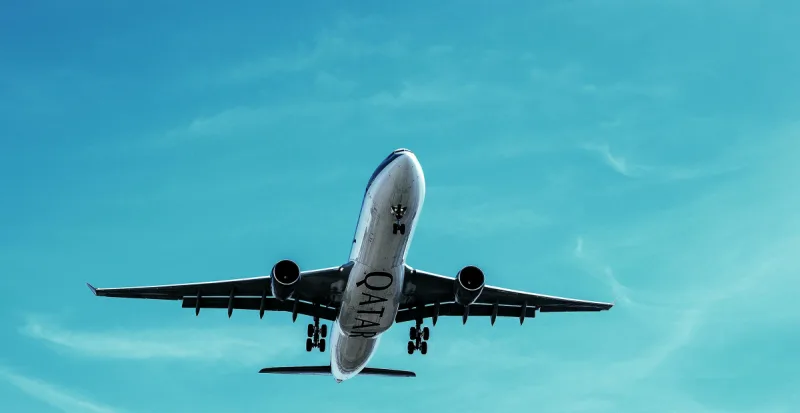
The head of IATA declared the European Union's sustainable aviation fuel targets are "not achievable" due to limited availability and high costs for airlines.
Key Takeaways
- •IATA Director General Willie Walsh called the EU's 20% SAF blending target by 2035 "not achievable."
- •Global SAF production reached 1.9 million tonnes in 2025, representing only 0.6% of total jet fuel consumption.
- •SAF prices are more than double conventional jet fuel, with mandates potentially increasing the cost factor to four times.
- •The EU mandate, part of the ReFuelEU Aviation regulation, requires a progressive blend increase from 2% in 2025 to 70% by 2050.
Willie Walsh, Director General of the International Air Transport Association (IATA), has stated that the European Union's ambitious Sustainable Aviation Fuel (SAF) targets are "not achievable."
Speaking at a recent industry event, Walsh pointed to two main obstacles. These are the limited SAF production availability and the high SAF costs for airlines.
The ReFuelEU Aviation Mandate
The European Union SAF goals are set out in the ReFuelEU Aviation mandate. This regulation was adopted in 2023. It aims to accelerate the use of cleaner jet fuel.
The mandate sets a progressive increase in blending obligations for fuel suppliers. The rules require carriers to include 2% SAF in their fuel mix starting in 2025.
This percentage rises significantly over time. The mandate calls for a 6% blend by 2030. It then jumps to a 20% blend by 2035. The ultimate goal is 70% SAF by 2050.
Walsh specifically criticized the 2035 target. He stated that the industry is "way behind" the necessary progress.
Production Shortfalls and High Costs
The core of the airline industry challenges lies in supply. Global SAF production reached 1.9 million tonnes in 2025. This represented only 0.6% of total jet fuel consumption. IATA also noted this figure was a downward revision.
European production capacity is especially low. Estimates show current EU capacity at only 0.24 million tonnes. This is just 10% of the volume needed to meet the 2030 mandate.
High SAF costs further complicate the transition. SAF prices are more than double those of conventional jet fuel. In markets with mandatory blending, this price factor can increase up to four times.
Mandates have inadvertently worsened the situation. Walsh argued that mandatory rules have pushed prices higher. This has discouraged voluntary demand from airlines.
Impact on Commercial Aviation Sustainability
SAF is critical for the aviation decarbonization pathway. IATA estimates SAF will provide 65% of the emissions reduction needed for the industry’s net-zero goal by 2050.
However, the current lack of SAF production capacity creates a major risk. It could jeopardize the industry's long-term climate commitments.
- Risk of Fuel Tankering: The EU's ReFuelEU rules try to prevent "fuel tankering." This is where airlines load extra fuel outside the EU. They do this to avoid costly SAF mandates.
- Synthetic Fuel Sub-Quotas: The mandate includes sub-quotas for synthetic fuels (e-SAF). This type of fuel is currently almost non-existent. The 5% e-SAF requirement by 2035 is a major concern for the sector.
The European Commission maintains its position. A spokesman previously stated that the current SAF targets are "realistic and feasible." Despite the challenges, airlines remain committed to cutting emissions. IATA's long-term objective is a 50% cut in pollution by 2050 compared with 2005 levels.
Stay ahead of the airline industry with commercial aviation news from flying.flights. For reporting on UAP sightings, investigations, and aviation-related encounters, see the UAPs section at flying.flights/uaps.
Written by Ujjwal Sukhwani
Aviation News Editor & Industry Analyst delivering clear coverage for a worldwide audience. Covers flight operations, safety regulations, and market trends with expert analysis.
Visit ProfileYou Might Also Like
Discover more aviation news based on similar topics

Swedavia Expands SAF Procurement in Sweden with New Partners
Swedavia expanded its SAF procurement initiative, adding Luleå Municipality and Aviator Airport Alliance to reduce emissions and stimulate SAF demand.
Siemens and Caphenia Partner to Scale Sustainable Aviation Fuel Production
Siemens and Caphenia partner to scale Sustainable Aviation Fuel production using automation to meet growing global demand and regulatory mandates.

Airbus and Air bp Sign Multi-Year SAF Supply Deal in Europe
Airbus signed a multi-year deal with Air bp for Sustainable Aviation Fuel to support its aircraft testing and delivery flights in Germany and Spain.
Heathrow Boosts 2026 Sustainable Aviation Fuel Incentive Above UK Mandate
Heathrow Airport is boosting its 2026 Sustainable Aviation Fuel incentive, targeting 5.6% usage to exceed the UK's mandate and spur decarbonization.
Jet2 Completes B737-800 Split Scimitar Winglet Retrofit Program
Jet2 has completed a two-year winglet retrofit for its 74 Boeing 737-800s, aiming to cut annual fuel consumption by over 11 million litres.

Bentley Adopts Sustainable Aviation Fuel for All Global Airfreight
Bentley commits to using Sustainable Aviation Fuel for all global airfreight to reduce the carbon footprint of its vehicle distribution network.