Why is SAF Growth Slowing? IATA Blames Policy for Missed Decarbonization Targets.

Aviation News Editor & Industry Analyst delivering clear coverage for a worldwide audience.
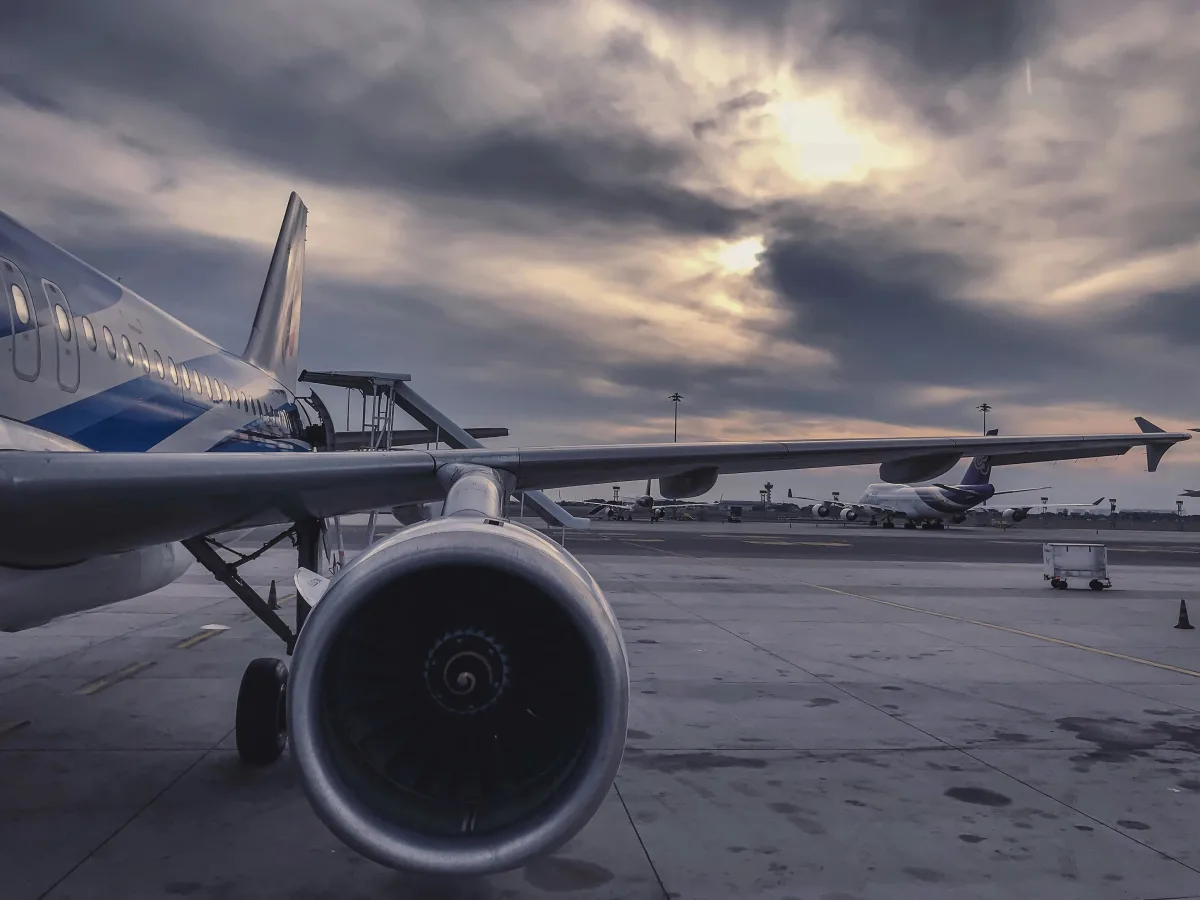
IATA warns Sustainable Aviation Fuel (SAF) production growth is slowing, falling short of net-zero targets; 2026 output will only reach 0.8% of jet fuel demand.
The International Air Transport Association (IATA) has issued a sharp warning. They state the growth of sustainable aviation fuel (SAF) production is losing momentum. This slowdown is happening despite a major increase in output for the current year. IATA says this trend threatens the industry’s ability to meet its long-term aviation decarbonization goals.
IATA's latest estimates show a significant drop in the expected growth rate. Production is projected to double in 2025, but the momentum will not last. This slowdown is a major concern for global airlines.
Production Slowdown and Market Share
SAF output reached approximately 1.0 million tonnes (Mt) in 2024. IATA forecasts this output will nearly double to 1.9 Mt by the end of 2025. However, the growth rate is expected to slow significantly in the following year.
Projections for 2026 place total SAF output at just 2.4 Mt. This means SAF will account for only 0.8% of total global jet fuel consumption. The 2025 output of 1.9 Mt is already a downward revision from IATA's earlier forecasts. This indicates a worrying trend in the SAF supply chain.
- In 2025, SAF represents only 0.6% of total jet fuel consumption.
- In 2026, SAF is projected to reach only 0.8% of total jet fuel consumption.
The Impact of Policy and Cost
IATA Director General Willie Walsh pointed to regulatory failures as the main cause. He specifically criticized poorly designed mandates in Europe and the UK. These policies, including the EU's ReFuelEU Aviation Regulation, have reportedly stalled momentum.
Mandates have driven up the SAF cost premium for airlines. SAF is currently priced at two to five times the cost of conventional fossil-based jet fuel in mandated markets. This high cost is a major barrier to wider adoption. IATA estimates that the premium alone added USD 3.6 billion to the industry’s fuel costs in 2025.
Mr. Walsh stated that if the goal of the mandates was to increase prices and slow progress, policymakers succeeded. He urged regulators to work with the airline industry. The goal must be to design incentives that actually boost SAF production.
Threat to Net Zero Goals
SAF is the single most important tool for aviation's sustainability efforts. The industry is committed to reaching net zero carbon emissions by 2050. IATA analysis shows that SAF must deliver 65% of the necessary emission reduction.
The current slowdown puts this ambitious target at risk. Many airlines have set their own interim goals, such as 10% SAF uptake by 2030. These commitments may now be impossible to meet due to insufficient supply.
The Path Forward
Achieving the industry's climate goals requires a dramatic increase in production. The International Civil Aviation Organization (ICAO) has a global framework. This framework aims for international aviation to be 5% less carbon intensive by 2030 through SAF use.
Manufacturers like Boeing and Airbus are building aircraft capable of using 100% SAF. However, the fuel must be available in sufficient quantities globally. IATA stresses that effective government policy is critical. Policy must focus on production incentives and secure feedstock supply. The European Union Aviation Safety Agency (EASA) and other regulators must align policies. This will ensure a stable and affordable supply chain for SAF.
For in-depth airline coverage and commercial aviation news, flying.flights delivers timely industry insights.
Written by Ujjwal Sukhwani
Aviation News Editor & Industry Analyst delivering clear coverage for a worldwide audience. Covers flight operations, safety regulations, and market trends with expert analysis.
Visit ProfileYou Might Also Like
Discover more aviation news based on similar topics

Swedavia Expands SAF Procurement in Sweden with New Partners
Swedavia expanded its SAF procurement initiative, adding Luleå Municipality and Aviator Airport Alliance to reduce emissions and stimulate SAF demand.
Siemens and Caphenia Partner to Scale Sustainable Aviation Fuel Production
Siemens and Caphenia partner to scale Sustainable Aviation Fuel production using automation to meet growing global demand and regulatory mandates.

Airbus and Air bp Sign Multi-Year SAF Supply Deal in Europe
Airbus signed a multi-year deal with Air bp for Sustainable Aviation Fuel to support its aircraft testing and delivery flights in Germany and Spain.
Heathrow Boosts 2026 Sustainable Aviation Fuel Incentive Above UK Mandate
Heathrow Airport is boosting its 2026 Sustainable Aviation Fuel incentive, targeting 5.6% usage to exceed the UK's mandate and spur decarbonization.
Jet2 Completes B737-800 Split Scimitar Winglet Retrofit Program
Jet2 has completed a two-year winglet retrofit for its 74 Boeing 737-800s, aiming to cut annual fuel consumption by over 11 million litres.

Bentley Adopts Sustainable Aviation Fuel for All Global Airfreight
Bentley commits to using Sustainable Aviation Fuel for all global airfreight to reduce the carbon footprint of its vehicle distribution network.