Why the DGCA Chief's Chennai Visit Signals a Major Shift for India's Drone Industry

Key Points
- 1DGCA chief Faiz Ahmed Kidwai inaugurated the new Drone Battery Manufacturing Facility of Garuda Aerospace in Chennai.
- 2The facility is a key step in indigenising critical drone components, reducing reliance on imports and supporting the 'Make in India' initiative.
- 3The DGCA-approved Remote Pilot Training Organisation (RPTO) also saw a new Academic Block open to meet the 20% CAGR growth in India's drone market, projected to reach over $4.8 billion by 2030.
- 4The expansion boosts the capacity to train certified drone pilots, which is mandatory for commercial UAS operations across sectors like agriculture and logistics.
The Director General of the Directorate General of Civil Aviation (DGCA), Faiz Ahmed Kidwai, recently inaugurated a new Drone Battery Manufacturing Facility for Garuda Aerospace in Chennai, Tamil Nadu. This event, held during the Bharat Drone Udaan industry gathering, marks a significant step toward strengthening the India drone manufacturing ecosystem.
Garuda Aerospace, a startup backed by former Indian cricket captain MS Dhoni, stated the new unit will support end-to-end domestic production. This move is designed to reduce the country’s dependence on imports for critical drone components. The facility follows the company's recent launch of a dedicated defense drone manufacturing unit.
Boosting Indigenous Production and Training
DGCA chief Faiz Ahmed Kidwai praised Garuda Aerospace for its focus on indigenisation. He noted the company's commitment to producing and assembling critical components within India sets an important benchmark. The company has reportedly manufactured over 3,000 drones over the last decade.
During the visit, Kidwai also inaugurated a new Academic Block. This expansion is part of Garuda Aerospace’s DGCA-approved Remote Pilot Training Organisation (RPTO). The expanded infrastructure will enhance training capacity. It aims to address the rapidly growing demand for certified drone pilots across the country.
Market Impact and Regulatory Support
The inauguration highlights the momentum in India's Unmanned Aircraft System (UAS) sector. The Indian drone market, valued at approximately $1.58 billion in 2024, is projected to grow at a Compound Annual Growth Rate (CAGR) of over 20% by 2030. This expansion is driven by government initiatives like the Production-Linked Incentive (PLI) scheme and the 'Make in India' policy.
Localized component manufacturing, such as the new battery facility, is crucial for this growth. It ensures a more secure and reliable domestic supply chain. The DGCA’s regulatory framework mandates that pilots operating drones for commercial purposes must hold a Remote Pilot License (RPL). Training from an approved RPTO is a prerequisite for this license. Garuda Aerospace has already trained more than 2,500 pilots through its training arm.
- Opportunity: The new battery facility directly supports India's goal of self-reliance in drone technology.
- Risk: Rapid market growth requires continuous regulatory oversight and a steady supply of skilled, certified pilots.
- Benefit: Increased training capacity from the expanded RPTO will help meet the surging demand for drone applications in agriculture, logistics, and infrastructure.
Garuda Aerospace Founder Agnishwar Jayaprakash credited supportive government policies and DGCA regulatory guidance for the sector’s growth. He noted the company was the first to receive DGCA approvals for both drone manufacturing and training. This development is a key piece of commercial aviation news as drones become integral to various industries. [https://flying.flights]
Topics
You Might Also Like
Discover more aviation news based on similar topics

Air India Pilot Removed from Vancouver Flight Over Alcohol Allegations, Canada Demands Action
Transport Canada has requested a safety probe from Air India after a captain was removed from Flight AI186 at Vancouver International Airport on December 23, 2025, for allegedly being
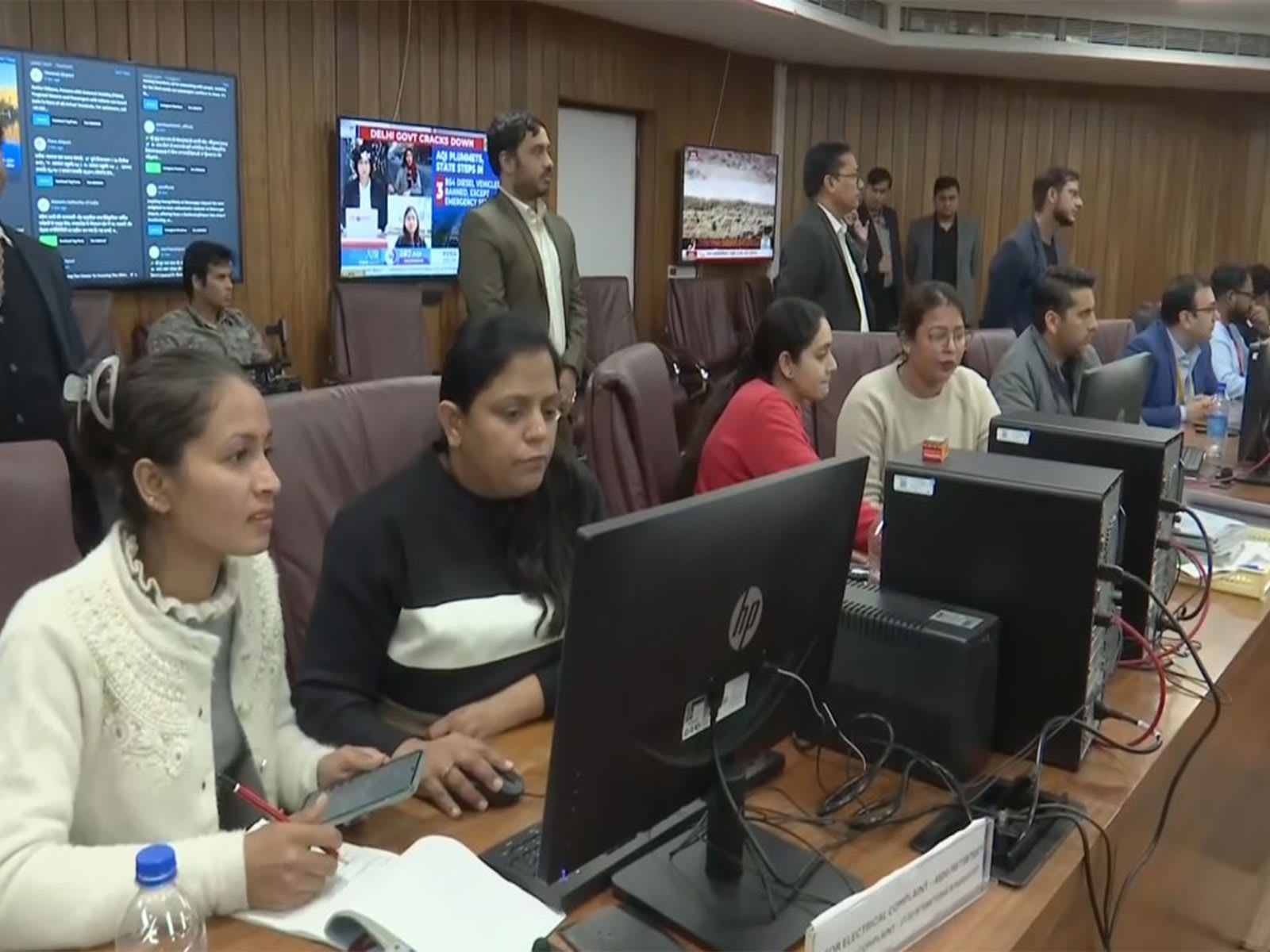
India's Aviation Ministry Deploys 24x7 Control Room to Resolve 14,000+ Passenger Issues
The Ministry of Civil Aviation (MoCA) launched a 24x7 Passenger Assistance Control Room (PACR) in Delhi, resolving over 14,000 grievances to enforce its "Passenger First" vision.

DGCA Reassigns Ravinder Jamwal Amid IndiGo Flight Disruption Inquiry
India's aviation safety regulator, DGCA, divested Director Ravinder Jamwal of the Flight Standards Directorate charge just days before the IndiGo disruption report submission.

Why 2.6 Lakh Passengers Faced Delays and Cancellations in November: DGCA Data Reveals
DGCA data shows 2.6 lakh passengers were hit by flight delays and cancellations in November, with IndiGo and Air India group accounting for the majority of disruptions.

DGCA Receives Confidential Report on IndiGo's Massive Flight Cancellations
India's aviation regulator, the DGCA, received the confidential probe report on IndiGo's massive flight disruptions, setting the stage for potential exemplary action against the

DGCA Report Tables: What 'Exemplary' Action Awaits IndiGo After Schedule Collapse?
DGCA has submitted its confidential report on the massive IndiGo flight schedule collapse, setting the stage for anticipated steep fines and "exemplary" regulatory action.
Never Miss Critical Aviation Updates
Get the top aviation stories delivered to your inbox every morning