Will Airbus and Boeing Demand Trigger a Global Aviation Workforce Crisis?

Aviation News Editor & Industry Analyst delivering clear coverage for a worldwide audience.
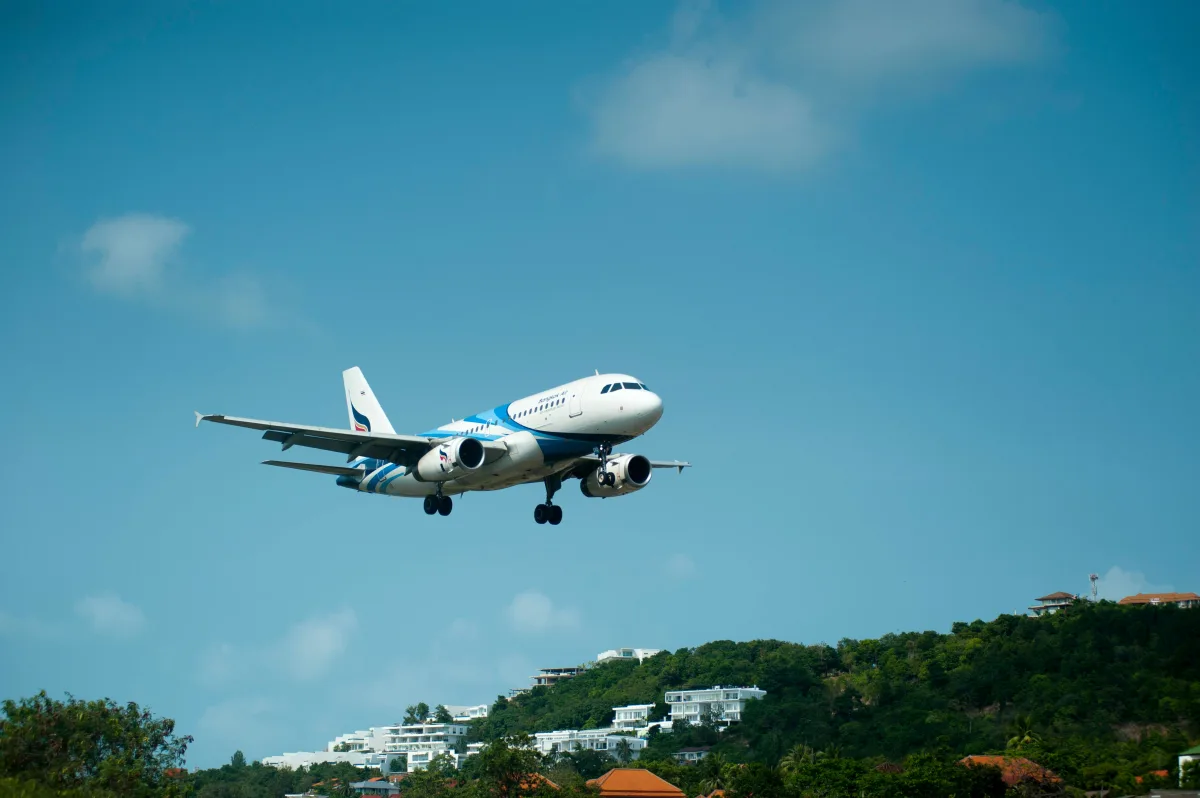
Airbus and Boeing forecasts project a massive, sustained need for new pilots and aviation technicians; fleet growth and retirements drive the decade-long demand.
Major aircraft manufacturers Airbus and Boeing have released long-term forecasts.
These forecasts indicate a robust demand for pilots and maintenance staff. The commercial aviation industry must recruit millions of new personnel. This is necessary to support global fleet expansion and replace retiring workers.
The Scale of Future Aviation Workforce Demand
Boeing's 2024 Pilot and Technician Outlook (PTO) projects significant demand. The forecast covers the 20-year period through 2043. It states that 674,000 new pilots will be needed globally. Additionally, 716,000 aviation technicians needed for maintenance will be required. The total new personnel demand, including cabin crew, exceeds 2.4 million.
Similarly, the Airbus Global Services Forecast for 2024-2043 also shows a massive need. Airbus projects a cumulative need for over two million new workers. This includes approximately 620,000 pilots and 690,000 technicians. Both Airbus and Boeing forecasts underscore the need for a future aviation workforce pipeline.
Key Drivers: Growth and Attrition
This personnel demand is driven by two main factors. First is the rapid global fleet expansion. Second is the high rate of pilot and technician retirements. Boeing data suggests two-thirds of the new personnel will address replacement due to attrition. Only one-third will support the actual growth in the commercial fleet. This highlights a structural aviation labor shortage challenge.
The global commercial fleet is expected to nearly double by 2043. This growth will place immense pressure on aviation maintenance personnel and flight crews.
Regional Hotspots and Industry Challenges
Demand for new personnel is not uniform across the globe. Boeing's PTO identifies Eurasia, China, and North America as regions driving over half of the new industry personnel demand.
However, South Asia, Southeast Asia, and Africa are the fastest-growing regions. Staffing demand in these areas is expected to more than triple over the 20-year period. This rapid growth creates unique training and recruitment challenges.
Impact on Airlines and MRO
The predicted shortage poses a significant risk to airlines. A lack of qualified personnel can lead to:
- Increased operating costs due to higher salaries and recruitment bonuses.
- Flight cancellations or reduced schedules, impacting passenger service.
- Delays in new aircraft deliveries being fully utilized.
The MRO workforce demand is particularly critical. Maintenance, Repair, and Overhaul (MRO) services must keep pace with the growing fleet. The International Air Transport Association (IATA) stresses the need for standardized training programs. These programs must attract and retain skilled aviation maintenance personnel.
In response, manufacturers are taking action. Airbus is building a new training campus to increase capacity. This facility aims to enroll around 10,000 trainees per year starting in 2026. Such investments are crucial for meeting the long-term industry need. The industry must invest heavily in training and career outreach programs now. This will ensure a sustainable and safe operational environment for the next two decades.
flying.flights is your source for accurate commercial aviation news and global aviation updates.
Written by Ujjwal Sukhwani
Aviation News Editor & Industry Analyst delivering clear coverage for a worldwide audience. Covers flight operations, safety regulations, and market trends with expert analysis.
Visit ProfileYou Might Also Like
Discover more aviation news based on similar topics

Accolad Launches Initiative for Canadian Aerospace Talent Retention
Accolad launched a new initiative to modernize employee recognition, aiming to improve talent attraction and retention in the Canadian aerospace industry.

Nigerian Minister Brokers Truce in Enugu Airport Concession Dispute
Nigeria's Aviation Minister Festus Keyamo secured a truce with unions over the Enugu airport concession, guaranteeing job security for all affected workers.

Spirit Airlines Secures Creditor Deal for 2026 Bankruptcy Exit
Spirit Airlines reached a creditor deal to exit Chapter 11 bankruptcy by summer 2026, planning a drastic fleet and network reduction to ensure survival.

Qantas Launches Sydney-Las Vegas Flights, Posts $1.46B Half-Year Profit
Qantas will launch non-stop Sydney-Las Vegas flights in late 2026 and reports a $1.46 billion first-half pre-tax profit amid strong travel demand.

Airbus Nears Potential 120-Jet Order from China Amid State Visit
Airbus is poised to secure a significant order for up to 120 aircraft from China, a move that would reinforce its market dominance in the growing region.

ICRA Forecasts Indian Airline Losses to Drop by One-Third in FY 2026-27
ICRA projects the Indian aviation industry's net loss will fall to Rs 110-120 billion by FY 2026-27, driven by a recovery in domestic passenger growth.