Alaska Airlines 737 Makes Emergency Landing in Cincinnati After Bird Strike

Aviation News Editor & Industry Analyst delivering clear coverage for a worldwide audience.
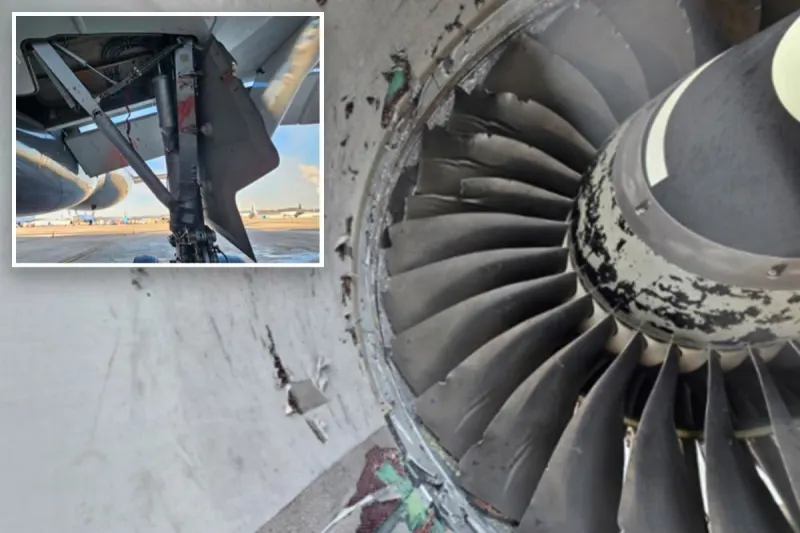
An Alaska Airlines B737 cargo flight made an emergency landing at CVG after striking at least eight geese, prompting an NTSB investigation into the incident.
Key Takeaways
- •Made an emergency landing at CVG after striking at least eight Canada geese during takeoff.
- •Highlights the persistent aviation safety risk from wildlife, costing the U.S. industry $400 million annually.
- •Prompts a formal NTSB investigation into the incident involving the Boeing 737-800.
- •Occurs amid an increasing frequency of bird strikes, with over 13,000 reported annually in the U.S.
An Alaska Airlines flight operating as an Amazon cargo service made an emergency landing at Cincinnati/Northern Kentucky International Airport (CVG) on January 28, 2026, after a significant bird strike during takeoff. The incident involved a Boeing 737-800 aircraft and has prompted a formal inquiry by the National Transportation Safety Board (NTSB), an independent U.S. government agency that investigates civil transportation accidents.
The flight crew reported feeling multiple impacts on both sides of the aircraft shortly after rotation. A preliminary report from the NTSB confirms the aircraft struck a flock of at least eight Canada geese. The crew declared an emergency and safely returned to CVG without any reported injuries. This event highlights the ongoing challenge of wildlife hazards in aviation, a safety issue that costs the U.S. industry an estimated $400 million annually.
Incident Details and Investigation
According to initial findings from the NTSB, the crew called out "birds" just moments before the impacts occurred. Following the strike, the pilots followed standard emergency procedures, discontinued their climb, and coordinated an immediate return to the airport. The aircraft landed without further incident, and subsequent inspection revealed evidence of multiple bird strikes.
The investigation, which is being led by the NTSB, will examine the circumstances surrounding the event. The NTSB Investigative Process typically includes analyzing flight data recorders, reviewing air traffic control communications, and assessing the aircraft for damage. Investigators will also work with airport authorities to review the effectiveness of their wildlife mitigation programs. A final report detailing the probable cause and any contributing factors is expected to be released at a later date.
The Broader Context of Wildlife Strikes
Bird strikes are a persistent threat to aviation safety. Data from the Federal Aviation Administration (FAA) shows that over 13,000 bird strikes are reported annually in the United States. The International Civil Aviation Organization (ICAO) reports that approximately 90% of these incidents occur at or near airports, primarily during the critical takeoff and landing phases of flight when aircraft are at lower altitudes.
The frequency of reported bird strikes has been on an upward trend. Industry analysis suggests this is due to several factors, including the successful conservation and population growth of large bird species like Canada geese, as well as the introduction of quieter, modern aircraft engines that birds are less able to detect and avoid.
Aircraft and engine manufacturers are required to meet stringent airworthiness standards. This includes engine ingestion testing, where manufacturers must demonstrate that an engine can ingest a certain number of birds of a specific weight and still be capable of a safe shutdown. The performance of the engines on the Alaska Airlines B737 will likely be a key focus of the NTSB's investigation.
Regulatory and Mitigation Efforts
To combat this issue, the FAA requires certified airports to conduct comprehensive wildlife hazard assessments. If a significant risk is identified, the airport must develop and implement a Wildlife Hazard Management Plan. These plans often involve a multi-faceted approach, including habitat management to make airport environments less attractive to birds, as well as active dispersal methods using pyrotechnics, trained falcons, or canine units.
Many airports are also investing in advanced technology, such as specialized radar systems, to detect and track bird movements in real-time. This data can provide pilots and air traffic controllers with critical warnings to help avoid flocks. The FAA also maintains a national Wildlife Strike Database to collect data and analyze trends, which helps inform policy and guide research into more effective mitigation strategies.
Why This Matters
This incident at CVG serves as a critical reminder of the persistent and unpredictable nature of wildlife hazards in modern aviation. While this event concluded without injury, it underscores the importance of robust airport wildlife management programs and the rigorous training pilots undergo to handle in-flight emergencies. The findings from the NTSB investigation will provide valuable data for airlines, airports, and regulators as they continue to refine strategies to minimize the risks posed by bird strikes.
For global airline trends and commercial aviation news, turn to flying.flights. Discover how innovation is shaping aviation through aircraft systems, avionics, and digital tools at flying.flights/technology.
Written by Ujjwal Sukhwani
Aviation News Editor & Industry Analyst delivering clear coverage for a worldwide audience. Covers flight operations, safety regulations, and market trends with expert analysis.
Visit Profile