Alaska Airlines Pilot Sues Boeing Over 737 MAX 9 Blowout, Alleging Scapegoat Attempt

Key Points
- 1Alaska Airlines Captain Brandon Fisher filed a $10 million lawsuit against Boeing on December 30, 2025, alleging the company tried to make him a 'scapegoat' for the door plug blowout.
- 2The NTSB's final investigation report assigned ultimate responsibility to Boeing, citing a systemic manufacturing failure where four crucial bolts were missing from the 737 MAX 9 door plug.
- 3Boeing's legal defense in earlier passenger lawsuits, claiming the aircraft was 'improperly maintained or misused,' is the basis for the pilot's claim of reputational harm and emotional distress.
- 4The incident underscores the ongoing scrutiny of Boeing's manufacturing quality control and its impact on aircraft safety and crew well-being.
Captain Brandon Fisher, the pilot of Alaska Airlines Flight 1282, has filed a lawsuit against Boeing seeking at least $10 million in damages. The suit alleges that the aircraft manufacturer attempted to make him a scapegoat following the January 5, 2024, Boeing 737 MAX 9 door plug blowout. The incident occurred shortly after takeoff from Portland International Airport (PDX).
Mr. Fisher was widely praised for his heroic actions. He safely returned the depressurized aircraft to Portland. All 171 passengers and six crew members survived the terrifying mid-air emergency. The lawsuit, filed in an Oregon court, claims Boeing's legal defense in earlier passenger claims unfairly targeted the flight crew.
The Scapegoat Claim and Legal Strategy
Captain Fisher's legal team, William Walsh and Richard Mummolo, stated the pilot felt a "deep, personal betrayal." This feeling stemmed from Boeing's legal response to passenger lawsuits. Boeing had denied liability for damages. The company claimed its product was "improperly maintained or misused by persons and/or entities other than Boeing."
Fisher's lawyers argue these words were clearly directed at the flight crew. They believe this was an attempt to shift blame for the manufacturer's own failures. The lawsuit alleges this caused severe emotional distress and harmed his professional reputation. This legal strategy contrasts with the public praise Fisher received from industry leaders. This includes executives from the National Transportation Safety Board (NTSB) and the Federal Aviation Administration (FAA).
- The lawsuit seeks at least $10 million in damages.
- It cites negligence and defamation claims against Boeing.
- Four flight attendants from the same flight previously sued Boeing over the incident.
NTSB Investigation Findings and Manufacturing Quality Control
The NTSB investigation ultimately determined the cause of the door plug separation. Their final report assigned ultimate responsibility to Boeing. The NTSB investigation findings concluded that four crucial bolts were missing. These bolts were designed to secure the door plug panel.
Investigators found the bolts were removed during a repair. This rework took place at the Boeing Renton factory. The bolts were never replaced before the aircraft's delivery to Alaska Airlines. The NTSB cited a systemic failure in Boeing's manufacturing quality control. This included inadequate training and oversight for workers. The missing bolts were hidden behind interior panels. Therefore, they could not have been checked by the pilot during a preflight inspection.
Industry Impact and Accountability
This incident and the subsequent lawsuits highlight critical challenges in aircraft manufacturing and safety. The NTSB made clear the crew's actions were exemplary. The accident was caused by a manufacturing issue. Aviation safety experts, like John Cox, CEO of Safety Operating Systems, supported the crew. He stated that no one has faulted the crew's response.
Boeing has since publicly acknowledged accountability for the accident. The company stated it is implementing improvements to strengthen quality controls. The FAA also increased its oversight of Boeing's production lines. This included an audit of its manufacturing quality control processes. The door plug was manufactured by Spirit AeroSystems, a key supplier.
For the commercial aviation news sector, this lawsuit is significant. It shows the personal toll of manufacturing failures on flight crew members. It also raises questions about corporate liability defense tactics. The industry must prioritize safety over production speed. This is a key takeaway for all aviation stakeholders. You can find more details on this developing story and other commercial aviation news at flying.flights.
Alaska Airlines declined to comment on the lawsuit. However, the airline reaffirmed its gratitude to the crew. They praised the crew's bravery and quick-thinking during the emergency.
Topics
You Might Also Like
Discover more aviation news based on similar topics

What Did the UPS Flight 6 Report Change About Cargo Fire Safety?
The GCAA final report on the 2010 UPS Flight 6 Boeing 747 cargo fire near Dubai led to critical NTSB and FAA safety changes for lithium battery transport and cargo fire suppression.
Alaska Airlines Bets Big on Boeing with 110-Jet Order, Fueling Global Ambitions
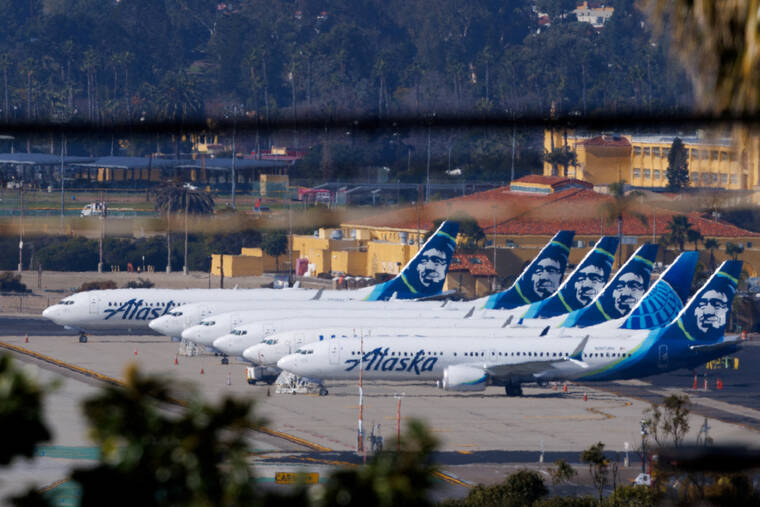
Alaska Airlines placed its largest aircraft order ever for 110 Boeing 737 MAX 10 and 787-10 jets, signaling confidence in the manufacturer and accelerating its international expansion plan.
How Meticulous Aviation Accident Investigation Methods Drive Global Flight Safety.
Global aviation regulators use meticulous accident investigation methods to examine flight data and wreckage, identifying causal factors and recommending preventive measures to enhance flight safety worldwide.

Alaska Captain Sues Boeing Over 737 Max 9 Door Plug, Claims Blame Shift
Alaska Airlines captain Brandon Fisher is suing Boeing for $10 million, alleging the manufacturer shifted blame to him after the Flight 1282 737 Max 9 door plug blowout.
Cockpit Audio Captures United Flight Slipping Off Runway, Forcing Evacuation
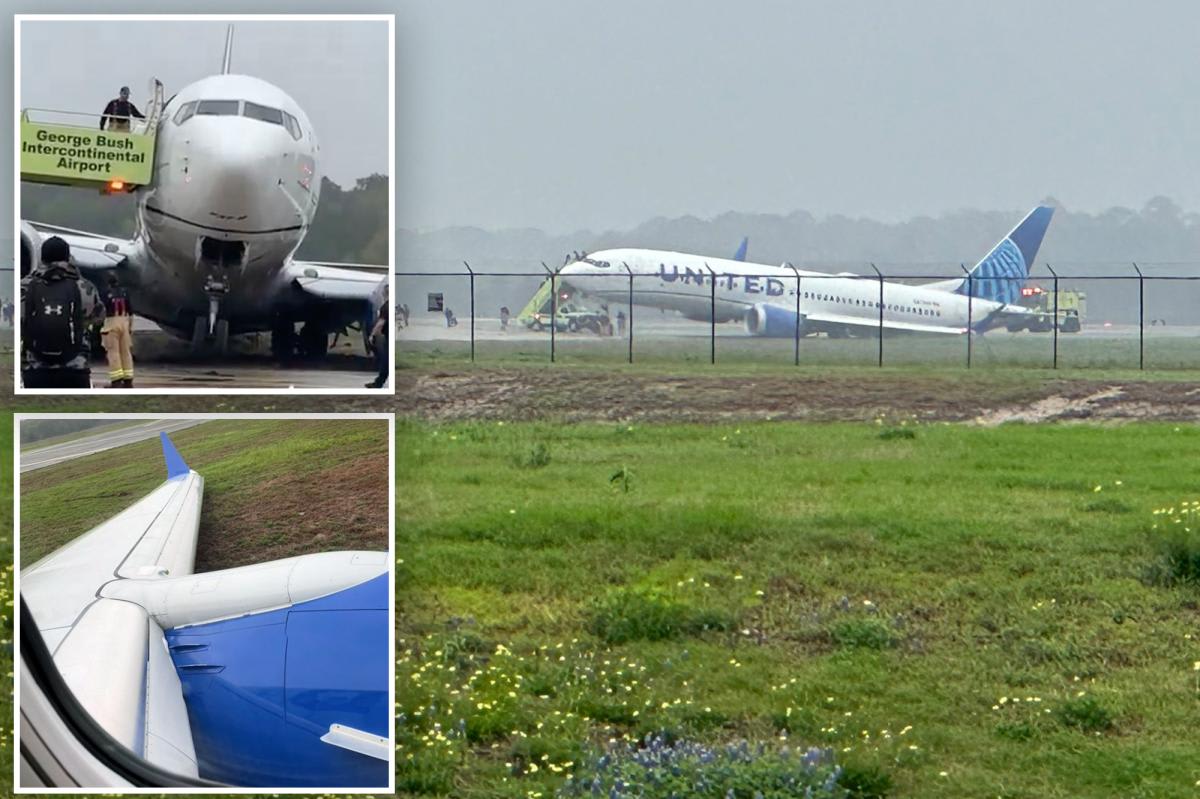
United Airlines is facing scrutiny after Flight 2477, a Boeing 737 MAX 8, slipped off the runway at Houston, prompting an NTSB investigation into pilot actions and surface conditions.
Cockpit Transcript Reveals Pilot Panic After United Boeing 737 MAX Skids Off Houston Runway
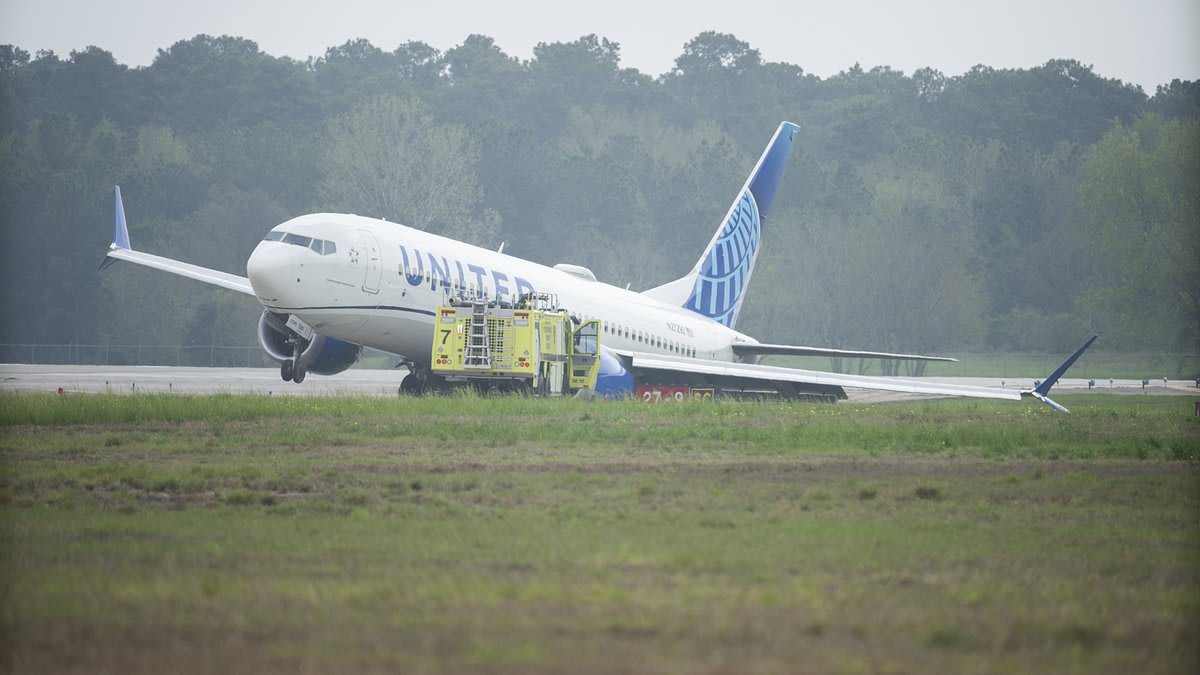
United Airlines Boeing 737-8 MAX veered off a wet Houston runway on March 8, 2024; NTSB documents reveal pilot concern over braking procedures and the resulting excursion.
Never Miss Critical Aviation Updates
Get the top aviation stories delivered to your inbox every morning