How Meticulous Aviation Accident Investigation Methods Drive Global Flight Safety.

Key Points
- 1ICAO Annex 13 sets the global standard, focusing solely on accident prevention, not blame or liability.
- 2The investigation process involves three phases: data collection, analysis (FDR/CVR, wreckage), and safety recommendations.
- 3Preliminary reports are mandated within 30 days, with final reports ideally published within 12 months to ensure timely safety action.
- 4Findings lead to mandatory changes in aircraft design, maintenance, and operational procedures, driving continuous flight safety enhancement.
The process of aviation accident investigation is critical. It serves as the foundation for flight safety enhancement worldwide. The sole objective is preventing future accidents, not assigning blame. This systematic approach protects passengers, crew, and aircraft alike. The work of investigators directly informs new regulations and operational procedures.
The International Framework: ICAO Annex 13
The International Civil Aviation Organization (ICAO) governs global standards. ICAO Annex 13 details the international Standards and Recommended Practices (SARPs). This framework ensures consistency across different countries. It mandates that the State where an accident occurs leads the inquiry. However, the State of design, manufacture, or operator can participate. This collaborative model ensures diverse expertise contributes to the findings. The investigation authority must maintain independence and unrestricted authority. This is crucial for unbiased causal factors identification.
Key Principles and Timelines
The ICAO framework emphasizes prevention over liability. Investigators must keep an open mind throughout the process. They avoid focusing on one aspect too early. ICAO mandates swift action after an event. Preliminary reports must be issued within thirty days. Final reports should ideally be made public within twelve months. These documents become vital learning tools for regulators and airlines.
Core Aircraft Accident Investigation Methods
Aircraft accident investigation methods follow a three-phase structure. These phases are data collection, data analysis, and presentation of findings. The initial focus is on collecting highly perishable data. This includes securing the accident site and wreckage.
Data Collection and Analysis Techniques
The most critical evidence comes from flight recorders. Flight data recorder analysis (FDR) provides technical parameters. The Cockpit Voice Recorder (CVR) captures the flight deck audio. Investigators meticulously piece together the sequence of events.
- Wreckage Examination Techniques: Experts use systematic approaches for wreckage examination techniques. They categorize evidence before drawing any conclusions. This technical investigation often involves manufacturers like Boeing.
- Human Factors: A significant part of the investigation is human factors analysis. This looks at crew performance, training, and organizational factors.
- Witness Statements: Investigators conduct interviews shortly after the event. This helps reconstruct the timeline before memories fade. Oral statements are generally preferred over written summaries.
- Modern Tools: New technologies aid the process. Unmanned aerial vehicles (drones) provide quick, high-quality aerial footage.
Impact on Commercial Aviation and Safety
Effective aviation accident investigation directly leads to air accident prevention. The findings result in safety recommendations. These recommendations often drive new regulatory standards. For example, the European Union Aviation Safety Agency (EASA) uses these findings. They mandate changes to aircraft design, maintenance, or operational procedures.
This continuous feedback loop is essential. It ensures that lessons learned from one tragedy prevent similar events globally. The goal is to identify systemic failures, not just individual errors. This focus helps implement robust preventive safety measures across the industry. Airlines, airports, and air traffic control all adjust operations based on these reports. The ultimate result is a safer environment for every passenger and crew member flying today. For more updates on commercial aviation news, visit flying.flights.
Topics
You Might Also Like
Discover more aviation news based on similar topics

Jeju Air Crash Investigation Delayed: Families Demand New Inquiry One Year Later
The South Korean probe into the deadly Jeju Air crash is facing high tension and delays, as victims’ families demand a new inquiry and answers one year after the disaster.
Why Airbus and Global Regulators Focus on Prevention, Not Blame, in Safety Investigations.
Airbus and global aviation bodies follow ICAO Annex 13, establishing safety investigation as an independent process focused solely on accident prevention, not apportioning blame.
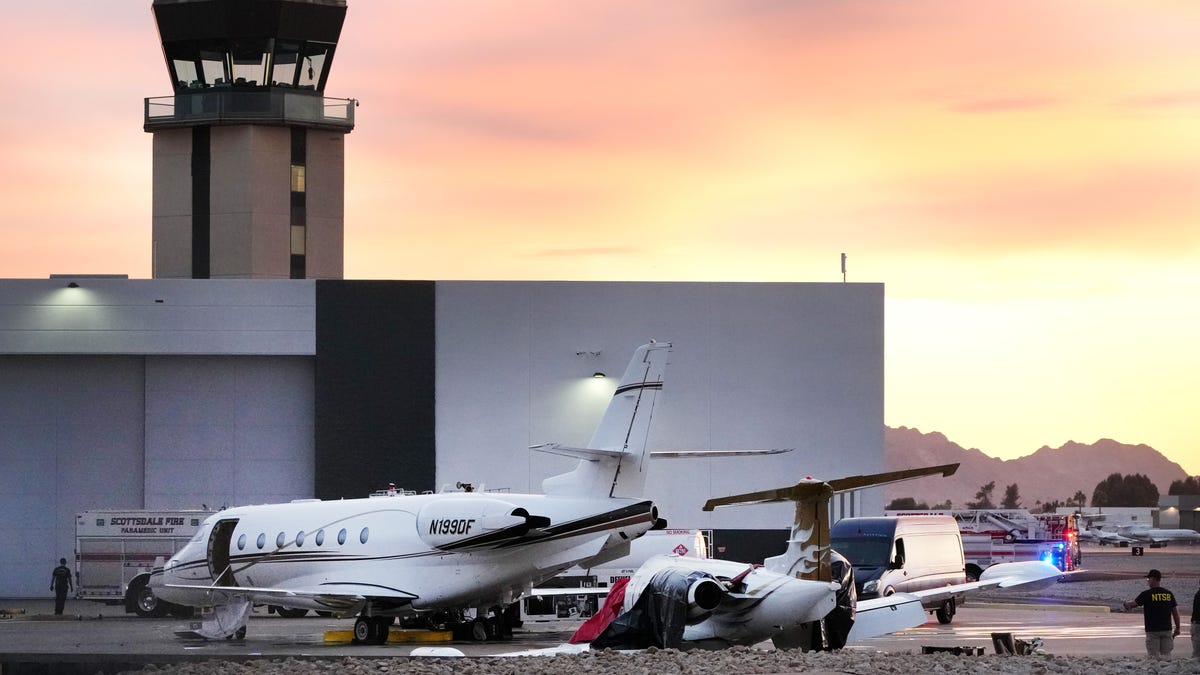
FAA Rejects Mandatory Learjet Inspection After Fatal Scottsdale Crash
The NTSB urged the FAA to mandate inspections for certain Learjet models after a fatal crash at Scottsdale Airport, but the FAA rejected the airworthiness directive.

Alaska Airlines Captain Sues Boeing for $10M Over 737 MAX 9 Scapegoat Claim
Alaska Airlines Captain Brandon Fisher is suing Boeing for $10 million, alleging the manufacturer tried to blame him for the 737 MAX 9 door plug blowout.

What Did the UPS Flight 6 Report Change About Cargo Fire Safety?
The GCAA final report on the 2010 UPS Flight 6 Boeing 747 cargo fire near Dubai led to critical NTSB and FAA safety changes for lithium battery transport and cargo fire suppression.
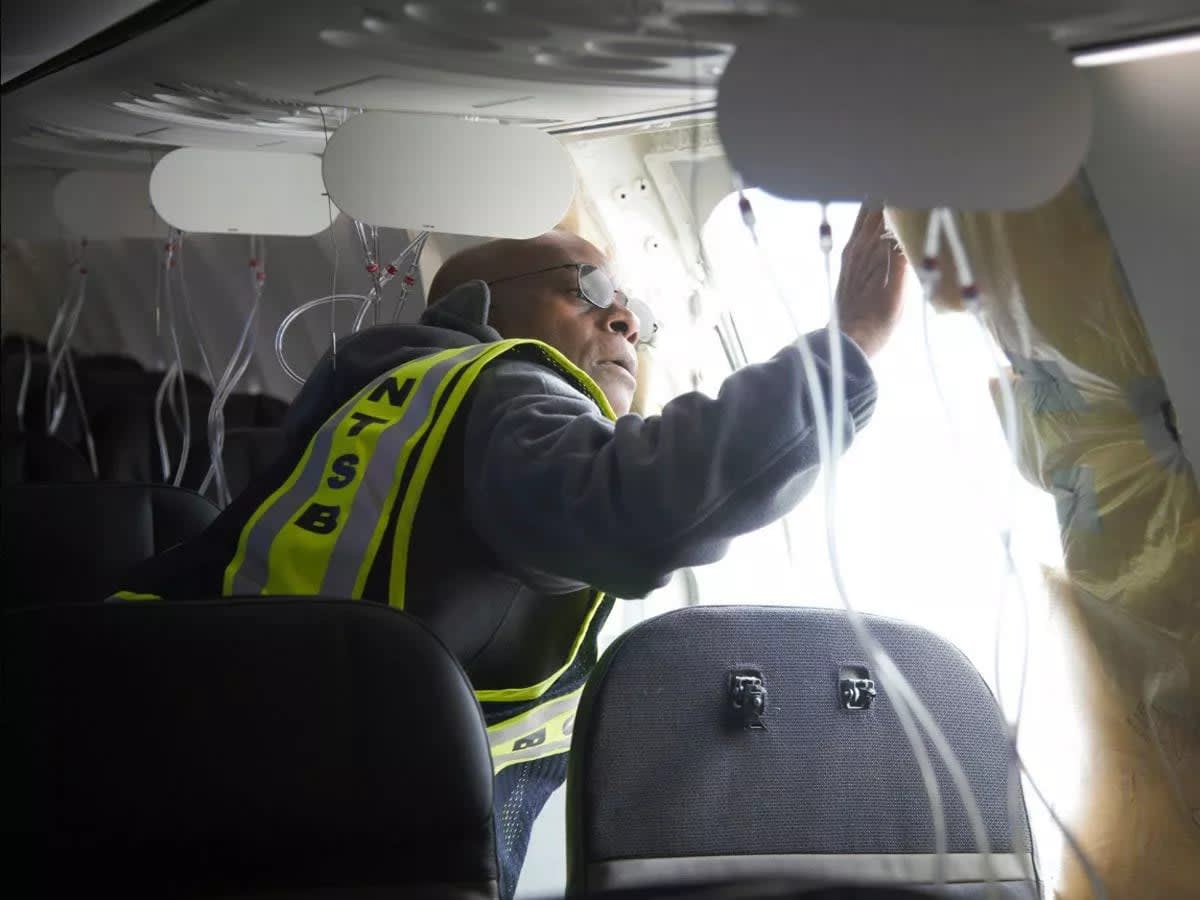
Alaska Airlines Pilot Sues Boeing Over 737 MAX 9 Blowout, Alleging Scapegoat Attempt
Alaska Airlines Captain Brandon Fisher is suing Boeing for $10 million, alleging the manufacturer tried to blame him for the Flight 1282 door plug blowout despite NTSB findings of manufacturing failure.
Never Miss Critical Aviation Updates
Get the top aviation stories delivered to your inbox every morning