What Did the UPS Flight 6 Report Change About Cargo Fire Safety?

Key Points
- 1The fire, caused by the thermal runaway of a large shipment of lithium batteries, severely damaged the Boeing 747-400F's flight controls.
- 2The GCAA final report, released in July 2013, found the existing oxygen-deprivation fire suppression method was ineffective against lithium battery fires.
- 3NTSB issued multiple urgent safety recommendations to the FAA, leading to global regulatory changes for lithium battery air transport and a push for active fire suppression systems.
The crash of UPS Airlines Flight 6 on September 3, 2010, marked a pivotal moment in global aviation safety.
The scheduled international cargo flight departed from Dubai International Airport (DXB). Its destination was Cologne Bonn Airport (CGN) in Germany. The aircraft, a Boeing 747-44AF freighter, crashed near Dubai, killing both pilots.
The investigation was led by the United Arab Emirates General Civil Aviation Authority (GCAA). The U.S. National Transportation Safety Board (NTSB) provided significant assistance. The final report, released in July 2013, detailed the catastrophic event.
The Catastrophic Fire and Crew Challenges
The accident's probable cause was an uncontained main deck cargo fire. This fire auto-ignited and rapidly spread, causing critical system damage. Investigators concluded the fire originated in a cargo pallet. This pallet contained a large quantity of lithium-type batteries.
Twenty-one minutes into the flight, the crew received a fire warning. The fire quickly compromised the flight control systems. It also caused the cargo compartment liner to fail as a fire barrier. Dense smoke and toxic fumes filled the flight deck.
Visibility was severely impaired, making instrument use impossible. The captain was overcome by smoke after his oxygen supply failed. The first officer, alone and unable to see, lost control of the crippled Boeing 747-400F.
NTSB and FAA Safety Recommendations
The UPS Flight 6 accident report highlighted major flaws in existing regulations. Specifically, it exposed the inadequacy of fire protection for cargo aircraft. The current strategy relied on oxygen deprivation through depressurization. Evidence showed this was ineffective against a lithium battery fire risk.
Following the crash, the NTSB issued urgent safety recommendations to the FAA. These recommendations focused on three key areas:
Enhanced Fire Protection Systems
- Mandate the installation of active fire suppression systems on all cargo aircraft main decks.
- Develop new performance requirements for early fire detection.
- Require cargo containers (ULDs) to have superior fire resistance.
Lithium Battery Transport Rules
- The GCAA and NTSB pushed for stricter standards for dangerous goods air transport.
- The ICAO and the FAA subsequently restricted the bulk transport of lithium batteries on passenger aircraft.
- Regulations were standardized to harmonize U.S. rules with ICAO Technical Instructions.
Crew Safety and Procedures
- Mandate evidence-based simulator training for smoke-filled cockpits.
- Implement vision assurance devices for improved pilot visibility.
- Review and improve the design of crew oxygen supply systems.
Lasting Industry Impact
The lessons learned from the UPS Flight 6 accident report continue to shape commercial aviation news and policy. The accident directly drove regulatory changes across the globe. The FAA lithium battery regulations have become significantly more stringent since 2010. The focus remains on preventing thermal runaway in cargo.
Cargo operators face ongoing challenges in balancing freight volume with safety. The cost of retrofitting older aircraft with active suppression systems is a major industry hurdle. However, the tragic loss of Flight 6 solidified the need for robust cargo aircraft fire suppression technologies. The sole objective of the investigation remains the prevention of future aircraft accidents and incidents. You can find more details on global aviation news at [flying.flights].
Topics
You Might Also Like
Discover more aviation news based on similar topics
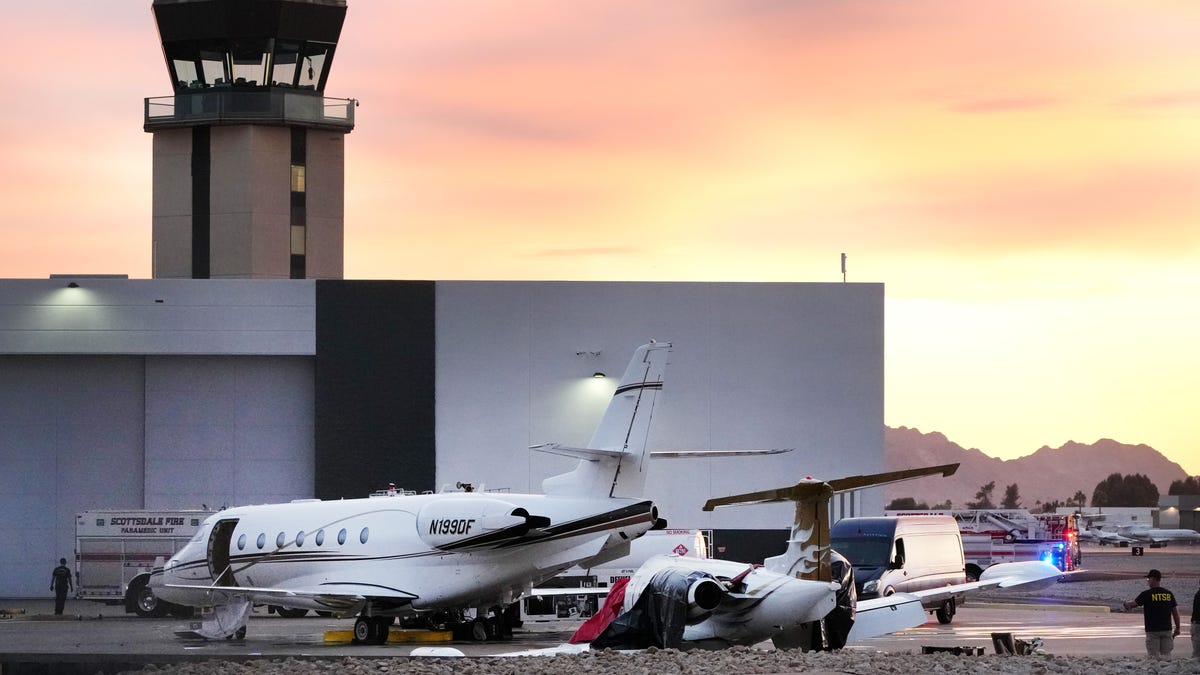
FAA Rejects Mandatory Learjet Inspection After Fatal Scottsdale Crash
The NTSB urged the FAA to mandate inspections for certain Learjet models after a fatal crash at Scottsdale Airport, but the FAA rejected the airworthiness directive.

Alaska Airlines Captain Sues Boeing for $10M Over 737 MAX 9 Scapegoat Claim
Alaska Airlines Captain Brandon Fisher is suing Boeing for $10 million, alleging the manufacturer tried to blame him for the 737 MAX 9 door plug blowout.

How Meticulous Aviation Accident Investigation Methods Drive Global Flight Safety.
Global aviation regulators use meticulous accident investigation methods to examine flight data and wreckage, identifying causal factors and recommending preventive measures to enhance flight safety worldwide.
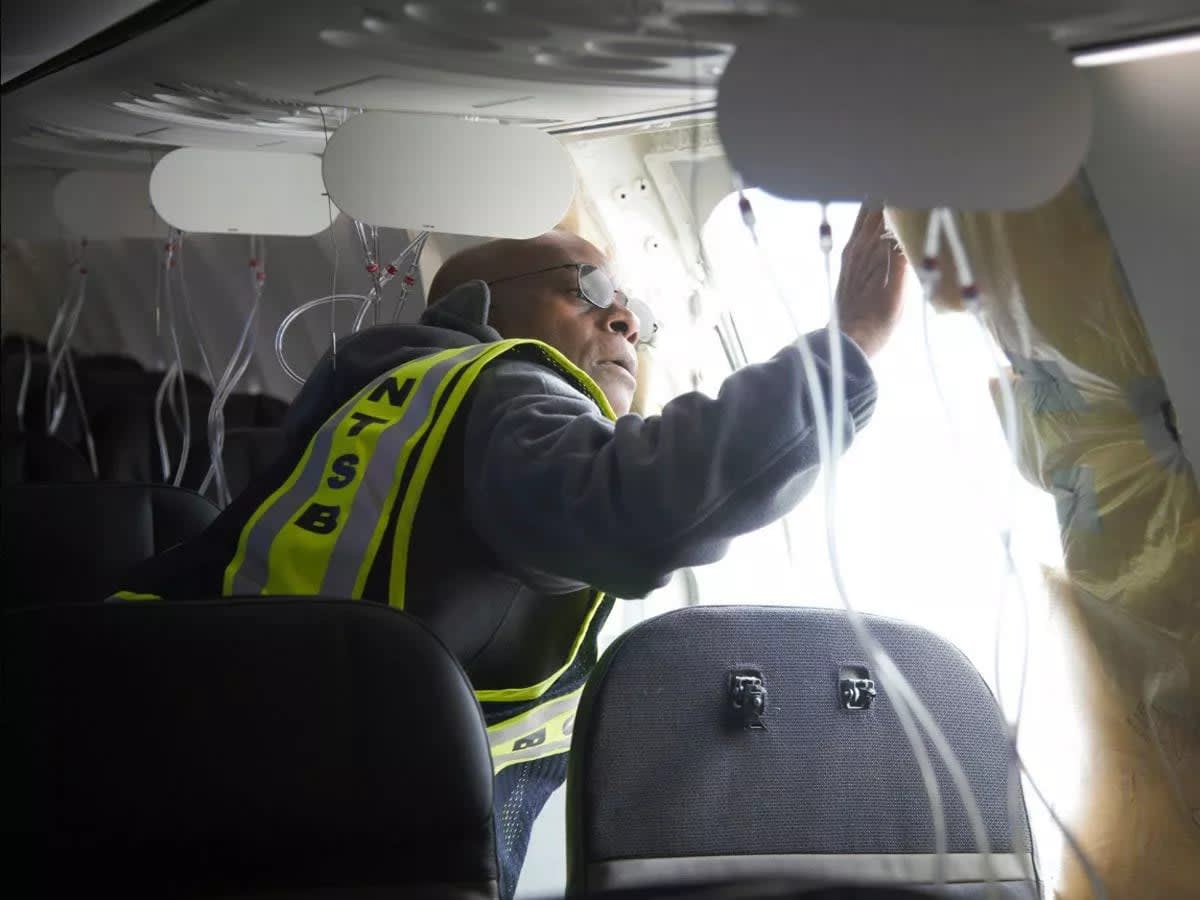
Alaska Airlines Pilot Sues Boeing Over 737 MAX 9 Blowout, Alleging Scapegoat Attempt
Alaska Airlines Captain Brandon Fisher is suing Boeing for $10 million, alleging the manufacturer tried to blame him for the Flight 1282 door plug blowout despite NTSB findings of manufacturing failure.

Why Lithium Batteries Caused Major Baggage Delays at Auckland Airport
Auckland Airport faced significant baggage delays for 19,500 departing international travelers after lithium batteries in checked bags forced slow, manual safety screening.

India's DGCA Bans Power Bank Charging on Flights: Why New Safety Rules Matter
India's aviation regulator, the DGCA, banned the use of power banks to charge electronic devices on flights, citing a global surge in lithium battery fire safety incidents.