FAA Halts Flights in Texas After Pentagon Downs Border Patrol Drone

Aviation News Editor & Industry Analyst delivering clear coverage for a worldwide audience.
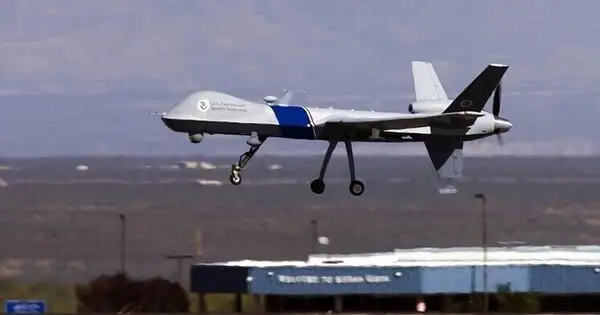
The FAA has restricted airspace near Fort Hancock, Texas, after a Pentagon laser system reportedly shot down a U.S. Customs and Border Protection drone.
Key Takeaways
- •FAA imposes sweeping flight restrictions near Fort Hancock, Texas, until June 24, 2026.
- •Pentagon C-UAS laser system unintentionally downed a U.S. Border Patrol drone.
- •Lawmakers criticize 'incompetence' and poor coordination between military and civilian agencies.
- •Highlights recurring airspace deconfliction issues following a similar incident in El Paso.
The Federal Aviation Administration (FAA) has imposed extensive flight restrictions over a section of the U.S.-Mexico border following a report that a Department of Defense (DoD) laser weapon shot down a U.S. government drone. The incident has prompted sharp criticism from lawmakers regarding the lack of coordination between federal agencies operating in sensitive airspace.
Late Thursday, the FAA issued a Notice to Air Missions (NOTAM) barring most aircraft from the airspace near Fort Hancock, Texas, citing "special security reasons." The restrictions, which took effect at 6:30 PM local time, are scheduled to remain in place until June 24, 2026. While the notice restricts general aviation, provisions are in place for emergency operations, such as air ambulances, to be authorized on a case-by-case basis.
Neither the Pentagon nor the FAA has issued an official statement on the event. However, senior Democratic lawmakers with oversight of aviation and homeland security condemned the action. In a joint statement, Representatives Rick Larsen, Bennie Thompson, and Andre Carson expressed their alarm. "Our heads are exploding over the news that the DoD reportedly shot down a Customs and Border Protection (CBP) drone using a high-risk counter-unmanned aircraft system (C-UAS)," the statement read. "Now, we're seeing the result of its incompetence."
According to congressional sources, the friendly fire incident involved a high-energy laser weapon designed to neutralize hostile unmanned aerial threats. This system unintentionally targeted and downed a drone operated by CBP. The specific model of the CBP drone and the exact date of the shootdown have not been publicly disclosed.
Inter-agency Deconfliction Under Scrutiny
This event is not the first to raise concerns about the deployment of C-UAS technology near civilian airspace. Earlier in February, a similar controversy occurred in nearby El Paso, Texas. The FAA briefly halted all traffic at El Paso International Airport after the same DoD system began testing against objects that were later identified as party balloons. Those restrictions were lifted within hours after the Pentagon reportedly agreed to pause further testing pending a comprehensive federal safety review.
The repeated failures in deconfliction highlight a growing challenge for airspace management. As the DoD and Department of Homeland Security deploy increasingly sophisticated directed energy weapons to counter potential drone threats, the risk of accidental engagement with friendly government or civilian aircraft grows. These incidents underscore the critical need for robust communication and operational protocols between military operators and the FAA, which is responsible for the safety of the entire national airspace system.
Border Security and Airspace Management
The deployment of advanced surveillance and counter-drone technologies is part of a broader federal response to heightened security concerns along the U.S. southern border. Authorities have cited the increased use of drones by Mexican drug cartels for surveillance and other illicit activities as a primary driver for adopting C-UAS platforms. These systems are intended to provide a defensive layer against such threats.
However, the incident at Fort Hancock demonstrates the potential for these defensive measures to create new safety hazards. The successful downing of a federal law enforcement drone suggests that current procedures are insufficient to reliably distinguish between hostile and friendly assets. This capability gap poses a significant risk not only to government operations but also to any commercial or private aircraft that might operate in or near these security zones.
What Comes Next
The NOTAM is set to remain active for nearly four months, effectively creating a long-term restricted airspace zone. This extended duration suggests that federal agencies are treating the incident with significant gravity and may be conducting a thorough investigation and review of C-UAS operating procedures. The FAA's official Notice to Air Missions system provides formal alerts to pilots about such potential hazards.
Following this second high-profile incident, pressure from Congress is expected to intensify. Lawmakers will likely demand that the promised federal safety review is completed and that its findings lead to binding new rules for inter-agency coordination. These rules would need to govern how, when, and where powerful C-UAS technologies can be tested and deployed within the United States to prevent future friendly fire events.
Why This Matters
This incident is a stark illustration of the growing friction between national security imperatives and civil aviation safety. As advanced military technologies are deployed domestically, this event highlights a critical gap in airspace management and inter-agency deconfliction. It signals an urgent need for updated federal regulations to ensure the safe integration of counter-drone systems into the national airspace, preventing potentially catastrophic accidents involving government or civilian aircraft.
flying.flights is your source for accurate commercial aviation news and global aviation updates. Stay informed on aviation incidents, investigations, and best practices in the Safety category at flying.flights/safety.
Written by Ujjwal Sukhwani
Aviation News Editor & Industry Analyst delivering clear coverage for a worldwide audience. Covers flight operations, safety regulations, and market trends with expert analysis.
Visit Profile