Lufthansa, Munich Airport Apologize for Stranding 600 Passengers

Aviation News Editor & Industry Analyst delivering clear coverage for a worldwide audience.
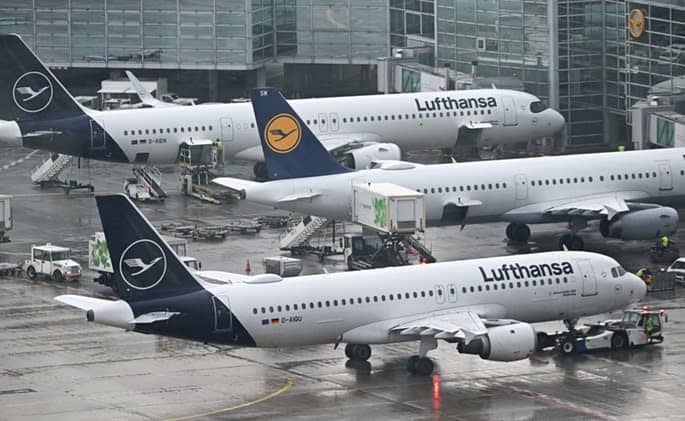
Lufthansa and Munich Airport apologized for operational failures that stranded 600 passengers overnight on six aircraft during a severe snowstorm.
Key Takeaways
- •Acknowledged multiple operational failures that stranded 600 passengers overnight on six aircraft.
- •Failed to deploy 49 available firefighters for deplaning due to a breakdown in emergency protocols.
- •Cited severe weather, a shortage of bus drivers, and a night flight curfew as contributing factors.
- •Faces scrutiny under EU Regulation 261/2004 regarding passenger duty of care during long tarmac delays.
Senior officials from Munich Franz Josef Strauß Airport (MUC) and Deutsche Lufthansa AG (LH) have issued public apologies for a series of operational mistakes that resulted in approximately 600 passengers being stranded overnight on six aircraft. The incident, which occurred on the night of February 19, 2026, was triggered by severe weather but exacerbated by what executives called a preventable breakdown in contingency planning.
Investigations into the extended tarmac delay revealed a critical failure in communication and resource management. Dozens of airport firefighters were available to assist with deplaning but were never called upon. This lapse highlighted significant gaps in the airport's Irregular Operations (IROPS) procedures, prompting a review of emergency response protocols and a promise of financial compensation for affected travelers.
A Cascade of Failures
The situation began when heavy snowfall forced a halt to departures from Munich. A total of six flights were impacted, including five operated by the Lufthansa Group and one by Air Arabia. These aircraft were fully boarded and awaiting takeoff when the weather deteriorated. While a special flight permit was in place to allow departures until 1 a.m., extending beyond the airport's standard midnight curfew, the severe snowfall prevented the six aircraft from being de-iced and reaching the runway in time.
As the deadline passed, the aircraft were left without a gate to return to and, critically, without buses to transport passengers back to the terminal. Heiko Reitz, the responsible Lufthansa board member, cited three primary reasons for the failure to deplane passengers: the exceptionally difficult weather, an insufficient number of available bus drivers, and a conscious decision not to alert the airport fire brigade. "We made mistakes that night," Reitz stated. "Incidents like this cannot be allowed to happen."
Missed Opportunities and Misjudgments
The most significant point of failure identified by both the airline and the airport was the decision not to utilize the airport's emergency services. According to airport officials, 49 firefighters and emergency stairs could have been deployed to safely deplane the stranded passengers. However, because there was no immediate danger to life, an automatic emergency response was not triggered. The decision to manually request their assistance was never made.
Thomas Hoff Andersson, managing director of aviation and operations at Munich Airport, described the event as a "concatenation of circumstances" but acknowledged clear shortcomings. "They should have been alerted," Andersson said, referring to the fire brigade. "There were several opportunities that night to remedy the situation with emergency measures, but this did not happen... We didn't manage it well." The German Fire Brigades Union chairman, Siegfried Maier, criticized the inaction, stating that a phased deplaning and transport to a terminal building "would have been possible."
Regulatory Context and Industry Implications
The incident places both Lufthansa and Munich Airport under scrutiny regarding European passenger rights. EU Regulation 261/2004 establishes rules for compensation and assistance during long delays. While severe weather is often considered an "extraordinary circumstance" that can absolve airlines from certain compensation payments, the regulation still mandates a duty of care, including providing food, water, and accommodation. Forcing passengers to remain on an aircraft overnight represents a significant failure in this duty.
This event underscores a persistent challenge in the aviation industry: managing IROPS during extreme weather. Tarmac delay rules in the EU and other jurisdictions are designed to prevent such situations, but cascading failures in ground services—such as bus driver and gate availability—continue to test the contingency plans of even major hub airports. Lufthansa's proactive announcement of financial compensation suggests an acknowledgment of its liability beyond the initial weather event. The incident is now the subject of a police report being examined by public prosecutors, although authorities noted no formal complaints had been filed by affected passengers. Further details were outlined in an official airport statement.
Why This Matters
This incident at a major European hub serves as a critical case study in the complexities of airport and airline coordination during irregular operations. It highlights that even with established procedures, human decision-making and communication gaps can lead to significant service failures and passenger welfare issues. For the industry, it reinforces the need for more robust and flexible IROPS plans that account for multiple simultaneous points of failure, particularly in ground handling and emergency resource deployment.
Visit flying.flights for the latest commercial aviation news and airline industry updates. Discover how innovation is shaping aviation through aircraft systems, avionics, and digital tools at flying.flights/technology.
Written by Ujjwal Sukhwani
Aviation News Editor & Industry Analyst delivering clear coverage for a worldwide audience. Covers flight operations, safety regulations, and market trends with expert analysis.
Visit Profile