Southwest Airlines Faces Backlash Over New Assigned Seating Policy

Aviation News Editor & Industry Analyst delivering clear coverage for a worldwide audience.
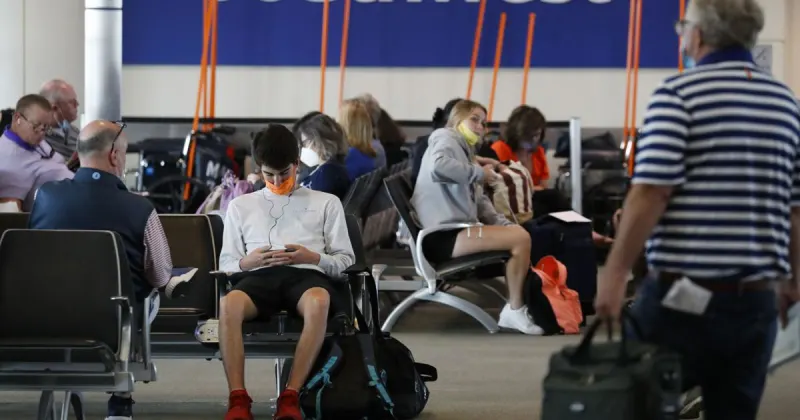
Southwest Airlines faces customer backlash after ending its iconic open seating policy on Jan. 27, a strategic shift aimed at attracting new flyers.
Key Takeaways
- •Ended its iconic open seating policy on January 27, 2026, switching to assigned seats.
- •Aims to attract new customers, particularly families, after surveys showed 80% prefer assigned seating.
- •Introduces new ancillary revenue streams through preferred and extra-legroom seat sales.
- •Faces initial operational challenges and backlash from loyal customers accustomed to the old system.
Southwest Airlines has officially ended its long-standing open seating policy, a defining feature of its brand for over five decades. The carrier transitioned to an assigned seating model on January 27, 2026, a move that aligns the Low-Cost Carrier (LCC) with industry norms but has generated significant criticism from loyal customers.
The final flight operating under the open seating system was WN1971 from Honolulu to Los Angeles on January 26, 2026, marking the end of an era for the airline. While the change to Southwest Airlines' assigned seating is intended to broaden its appeal, the rollout has been met with vocal passenger complaints and reports of operational challenges.
A Fundamental Shift in Business Model
For decades, Southwest's unassigned seating and unique boarding process were hallmarks of its business model, which prioritized simplicity and rapid aircraft turnarounds. The new system represents a fundamental overhaul, introducing tiered seating products and creating new opportunities for ancillary revenue. According to the airline's help center, passengers will now be assigned a specific seat at check-in, with options to pay for preferred locations or seats with more space, such as 'Extra Legroom' rows offering 3-5 inches of additional pitch.
The change impacts one of the largest carriers in the United States. As of December 2025, Southwest Airlines operated an all-Boeing 737 fleet of 803 aircraft and employed more than 72,000 people. In 2024, the airline carried 140 million revenue passengers across a network serving 117 airports in 11 countries.
The Strategic Rationale: New Customers and Revenue
The decision to abandon open seating was driven by extensive market research and a strategic goal to attract new customer segments. According to a statement from the airline, internal surveys revealed that 80% of its own customers preferred assigned seats. Furthermore, CEO Bob Jordan noted that the open seating policy was a significant barrier for potential new flyers. "The number one reason that families won't fly Southwest is was because of open seating... so we're taking those barriers away," Jordan stated.
This strategic pivot is also expected to have a substantial financial impact. By introducing charges for seat selection, Southwest taps into a lucrative ancillary revenue stream that is standard among its competitors. The company forecasts a more than 300% surge in adjusted earnings per share for 2026 following the business model overhaul, indicating high expectations for the new revenue-generating capabilities.
Operational Rollout and Customer Response
Despite the strategic rationale, the transition has not been seamless. Social media platforms have been active with complaints from long-time customers who valued the simplicity and perceived fairness of the previous system. The new process has reportedly caused confusion during boarding, leading to passenger frustration and potential delays.
In response to the initial difficulties, a Southwest spokesperson, Chris Perry, acknowledged the challenges. "Since launch, we've been closely monitoring input and real-world behaviors... Those insights are now informing a series of early adjustments designed to smooth operations," Perry said. The airline is now tasked with balancing the appeal to new customers against the risk of alienating a loyal base that was built on a differentiated travel experience.
Regulatory and Industry Context
The new seating policy must also adhere to federal regulations. The U.S. Department of Transportation (DOT) encourages airlines to seat children under 13 next to an accompanying adult without extra fees, a policy detailed on the DOT Airline Family Seating Dashboard. Southwest's new system was designed to accommodate this, a key consideration for attracting family travelers. The system must also comply with the Air Carrier Access Act (ACAA), which mandates specific accommodations for passengers with disabilities.
With this change, Southwest was the last major U.S. airline to abandon open seating, bringing its product offering more in line with legacy carriers like American, Delta, and United. This move reflects a broader trend in the LCC sector, where carriers are increasingly adopting hybrid models that blend low base fares with optional, paid-for services to maximize revenue.
Why This Matters
This policy change marks a pivotal moment for Southwest Airlines, testing whether it can modernize its product to attract a wider audience without losing the core identity that fueled its growth. The move signals a broader convergence of airline business models, where the lines between low-cost and legacy carriers continue to blur. For the industry, Southwest's success or failure in this transition will serve as a key case study on balancing brand loyalty with the pursuit of ancillary revenue.
Trusted commercial aviation news and airline industry reporting are available at flying.flights. Discover how innovation is shaping aviation through aircraft systems, avionics, and digital tools at flying.flights/technology.
Written by Ujjwal Sukhwani
Aviation News Editor & Industry Analyst delivering clear coverage for a worldwide audience. Covers flight operations, safety regulations, and market trends with expert analysis.
Visit ProfileYou Might Also Like
Discover more aviation news based on similar topics

Qantas Launches World-First Non-Stop Flights from Sydney to Las Vegas
Qantas announced a world-first non-stop seasonal route from Sydney to Las Vegas, citing strong international travel demand and robust financial performance.

STARLUX Airlines Targets Fleet of 48 Aircraft by End of 2026
STARLUX Airlines plans to more than double its fleet to 48 aircraft by 2026, leveraging its premium model to expand its transpacific and Asian routes.

WestJet Ceases Lethbridge-Calgary Flights, Ending YQL Commercial Service
WestJet will end its Lethbridge-Calgary service on June 24, citing insufficient demand and leaving the southern Alberta airport without a commercial carrier.

Canadian Airlines Resume Puerto Vallarta Flights Amid Security Concerns
Canadian carriers resumed flights to Puerto Vallarta after a temporary suspension due to regional violence, though some travelers have altered their plans.
National Aviation Strike Set to Disrupt Italian Air Travel on Feb 26
A 24-hour national aviation strike in Italy on Feb 26 will cause widespread flight cancellations, with ITA Airways grounding 55% of its scheduled service.

Delta Launches First Nonstop JFK-Malta Flights for Summer 2026
Delta Air Lines will launch its first nonstop service from JFK to Malta in June 2026, supported by a new Delta Vacations program for the destination.