UAE Airports Support 20,200 Passengers Amid Mideast Conflict

Aviation News Editor & Industry Analyst delivering clear coverage for a worldwide audience.

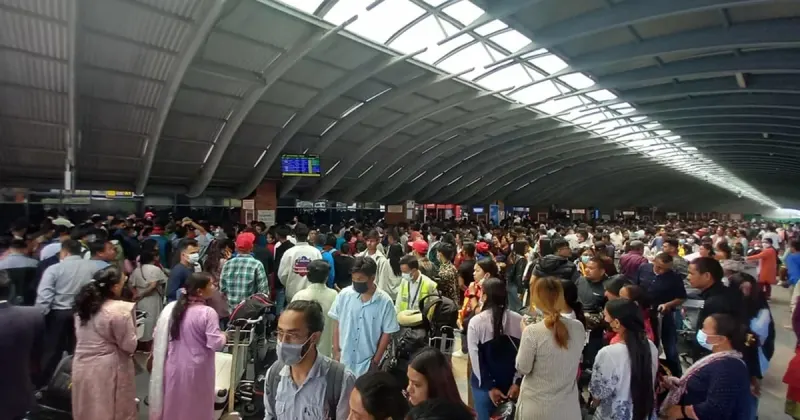
UAE aviation authorities coordinated support for over 20,200 stranded passengers amid widespread flight cancellations caused by regional geopolitical conflict.
Key Takeaways
- •Managed care for over 20,200 passengers stranded by regional conflict.
- •Directed hotels in Dubai and Abu Dhabi to accommodate travelers at government expense.
- •Navigated disruptions that led to the cancellation of 71.64% of scheduled flights.
- •Executed a multi-agency crisis response to protect the UAE's status as a global hub.
Aviation authorities in the United Arab Emirates managed a large-scale disruption affecting more than 20,200 passengers following airspace closures and flight cancellations stemming from regional conflict in late February and early March 2026. The coordinated Dubai airport crisis management and broader UAE aviation passenger support highlighted a robust, multi-agency framework designed to mitigate the operational and reputational damage from geopolitical instability.
The response was critical as the region experienced severe flight disruptions, with 71.64% of scheduled flights to the UAE cancelled during the peak of the crisis, according to Cirium aviation analytics. The proactive measures, which included government-funded accommodation and streamlined visa processes, underscore the strategic importance the UAE places on maintaining its status as a premier global transit hub, even when faced with significant external shocks.
Coordinated Government and Industry Response
The General Civil Aviation Authority (GCAA), the UAE's federal regulatory body, led the national response. The GCAA confirmed that the UAE government would cover all sustenance and accommodation costs for tourists stranded by the crisis. This policy was enacted through directives issued by Dubai's Department of Economy and Tourism and Abu Dhabi's Department of Culture and Tourism, which instructed hotels to accommodate stranded passengers unable to depart. The government of Abu Dhabi specifically committed to covering the costs for affected travelers in its emirate, ensuring a seamless process for both passengers and hospitality providers.
This rapid implementation of passenger welfare initiatives is a core component of the GCAA's Civil Aviation Regulation on Airport Crisis Management. The regulation focuses on moving beyond reactive measures to a more structured approach based on preparedness, response, and recovery, aligning with international best practices established by the International Civil Aviation Organization (ICAO). On-the-ground support at Dubai International Airport (DXB) included issuing on-the-spot emergency travel visas, which allowed stranded passengers to leave the airport and secure proper lodging while awaiting flight resumptions.
Operational Impact on Hub Airports
The conflict had a direct and severe impact on airport operations. A terminal at Dubai International was reported damaged on February 28, 2026, after missile activity in the region, leading to a multi-day closure of the world's busiest international airport. The incident forced a complete halt of operations, leading to mass cancellations and diversions. The disruption was significant for DXB, which, according to a Dubai Airports Report, handled a record 95.2 million passengers in 2025 and serves as a critical global connection point. The OAG's 2025 Megahubs report ranks DXB 15th globally, with over 46,000 possible connections.
The airspace closures and subsequent issuance of Notices to Airmen (NOTAMs) by aviation authorities across the Gulf created a complex operational challenge for Air Traffic Control (ATC) and airlines. Carriers were forced to cancel flights or implement extensive rerouting, adding hours and significant fuel costs to long-haul journeys between Europe and Asia. The scale of the disruption emphasized the vulnerability of major transit hubs to regional instability.
Strategic Importance of Crisis Readiness
The UAE's handling of the event provides a case study in airport operational readiness. The ability to quickly mobilize resources from across government and private sectors reflects extensive pre-planning. David Warham, Head of Response & Recovery Planning at Dubai Airports, has previously emphasized this approach, stating, “Effective leadership in a crisis begins long before the event itself. It's built on preparedness, planning, and the discipline of regular scenario testing.”
This philosophy was evident in the clear communication and coordinated actions between the GCAA, airport operators, airlines, and tourism authorities. By prioritizing passenger welfare in aviation, the UAE not only addressed the immediate humanitarian need but also executed a strategic effort to protect its long-term brand. For a nation whose economy is deeply intertwined with tourism and its status as an aviation crossroads—with India being the top destination market from DXB at 11.9 million passengers in 2025—a reputation for safety and reliability is paramount. The government's decision to absorb the financial costs of accommodating thousands of travelers was an investment in maintaining that trust.
Why This Matters
This incident demonstrates a critical evolution in airport and state-level crisis management, moving from a purely logistical challenge to a strategic imperative centered on passenger welfare. For an industry frequently disrupted by geopolitical events, the UAE's response model—characterized by government financial backing, inter-agency coordination, and proactive communication—sets a new benchmark for how global hubs can protect both passengers and their international standing. The event underscores that in a volatile world, an airport's resilience is measured not just by its infrastructure but by its ability to manage the human element of a crisis effectively.
flying.flights provides comprehensive commercial aviation news covering airlines, aircraft, and airports. From aircraft production to supply chains, commercial aviation manufacturing news is covered at flying.flights/manufacturing.
Written by Ujjwal Sukhwani
Aviation News Editor & Industry Analyst delivering clear coverage for a worldwide audience. Covers flight operations, safety regulations, and market trends with expert analysis.
Visit Profile