Alaska Airlines Captain Sues Boeing for $10M Over 737 MAX 9 Scapegoat Claim

Key Points
- 1Alaska Airlines Captain Brandon Fisher filed a $10 million lawsuit against Boeing on December 30, 2025, in Oregon.
- 2The suit alleges Boeing attempted to make Fisher a 'scapegoat' for the January 2024 737 MAX 9 door plug blowout by implying crew misuse.
- 3The NTSB investigation concluded the blowout was caused by four missing bolts, citing manufacturing oversight by Boeing and Spirit AeroSystems.
- 4The FAA subsequently proposed a $3.1 million fine against Boeing for safety violations found after the incident.
Captain Brandon Fisher, the pilot credited with safely landing Alaska Airlines Flight 1282, is suing Boeing for $10 million. The Alaska Airlines captain sues Boeing over the Boeing 737 MAX 9 blowout incident in January 2024. His lawsuit, filed in Oregon, alleges the aircraft manufacturer attempted to make him a "scapegoat" for the near-disaster.
Fisher's complaint centers on statements Boeing made in related class-action lawsuits. The manufacturer reportedly denied liability, suggesting the aircraft was "improperly maintained or misused by persons and/or entities other than Boeing." The Captain Brandon Fisher lawsuit claims these words were clearly directed at him. This implication of crew fault caused the pilot significant emotional distress and reputational harm.
Background of the Incident
The January 2024 Emergency
Alaska Airlines Flight 1282 suffered a mid-air panel blowout on January 5, 2024. The door plug failure incident occurred shortly after takeoff from Portland, Oregon. The rapid decompression left a large hole in the fuselage. All 177 people aboard the Boeing 737 MAX 9 blowout survived, thanks to the crew’s actions.
Captain Fisher and his First Officer, Emily Wiprud, were widely praised. They were commended by the NTSB, the FAA, and even Boeing executives for their heroism. Fisher's lawsuit describes the incident's lasting physical and emotional effects. These include ear pain and severe anxiety.
Regulatory and Industry Findings
NTSB Investigation
The National Transportation Safety Board (NTSB) investigation concluded the probable cause was a manufacturing oversight. The NTSB found that four critical bolts securing the door plug were missing. They were removed and never replaced during a repair at a Boeing facility. The bolts were hidden behind interior panels. Therefore, they could not have been easily checked during a pre-flight inspection.
In its final report, the NTSB assigned ultimate responsibility to Boeing. They cited a failure to provide adequate training and oversight for workers. The NTSB also faulted the Federal Aviation Administration (FAA) for ineffective compliance enforcement. The NTSB investigation findings directly contradicted the implied crew negligence.
Consequences for the Manufacturer
- The FAA proposed a $3.1 million fine against Boeing for safety violations.
- The incident prompted a fresh wave of scrutiny on Boeing's safety culture.
- The manufacturer is facing numerous other passenger lawsuits.
Impact on Aviation Stakeholders
The aircraft manufacturer liability in this case highlights a critical issue. The lawsuit suggests a pattern of deflecting blame onto pilots. This is especially concerning in an industry where trust is paramount. The pilot claims this felt like a "deep, personal betrayal" after a career flying Boeing aircraft.
This legal action is unusual for a pilot in a non-fatal incident. It underscores the severity of the alleged reputational damage. The suit seeks to hold the manufacturer accountable for its post-accident strategy. It also brings the focus back to quality control issues in the production line. For more on this and other commercial aviation news, visit flying.flights. The outcome of the Captain Brandon Fisher lawsuit will be closely watched. It could set a precedent for how manufacturers manage liability and pilot relations after a major safety event.
Topics
You Might Also Like
Discover more aviation news based on similar topics
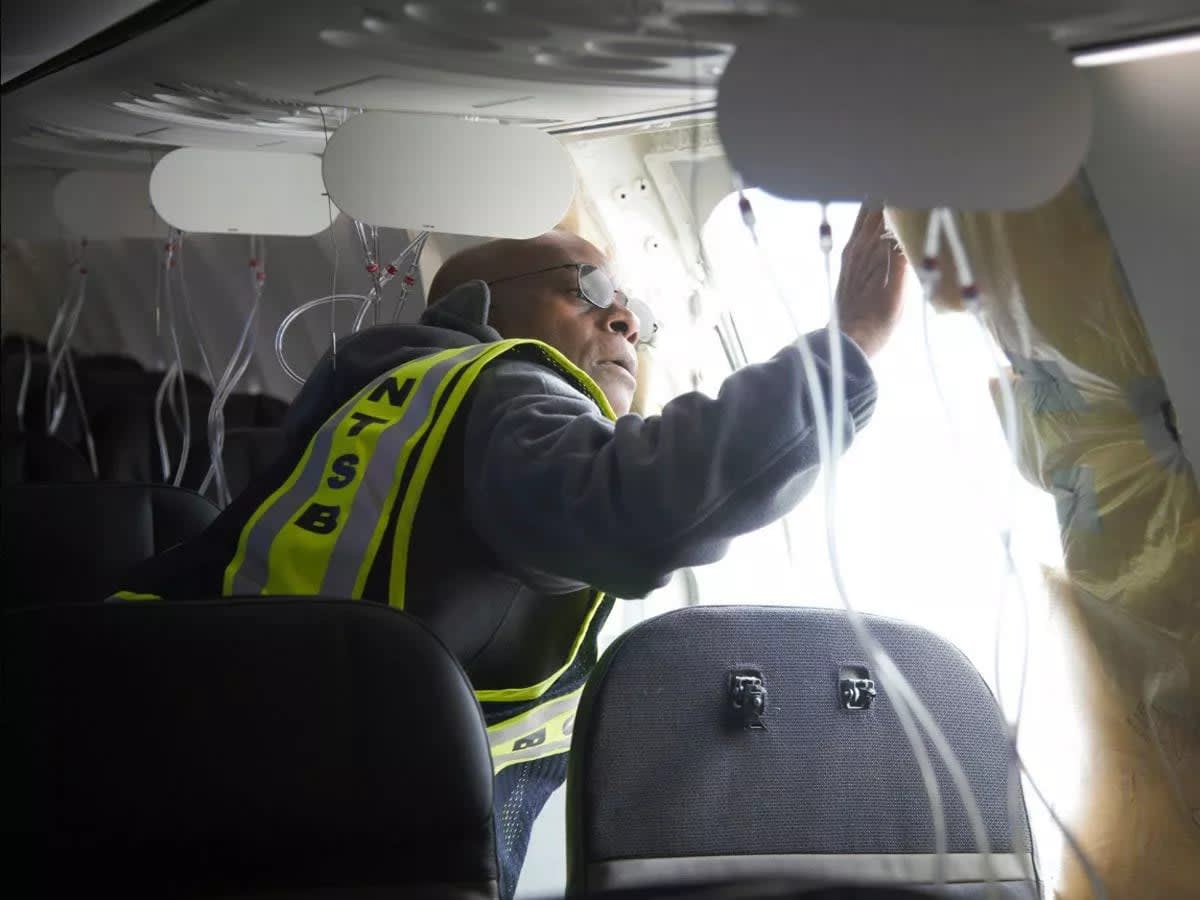
Alaska Airlines Pilot Sues Boeing Over 737 MAX 9 Blowout, Alleging Scapegoat Attempt
Alaska Airlines Captain Brandon Fisher is suing Boeing for $10 million, alleging the manufacturer tried to blame him for the Flight 1282 door plug blowout despite NTSB findings of manufacturing failure.
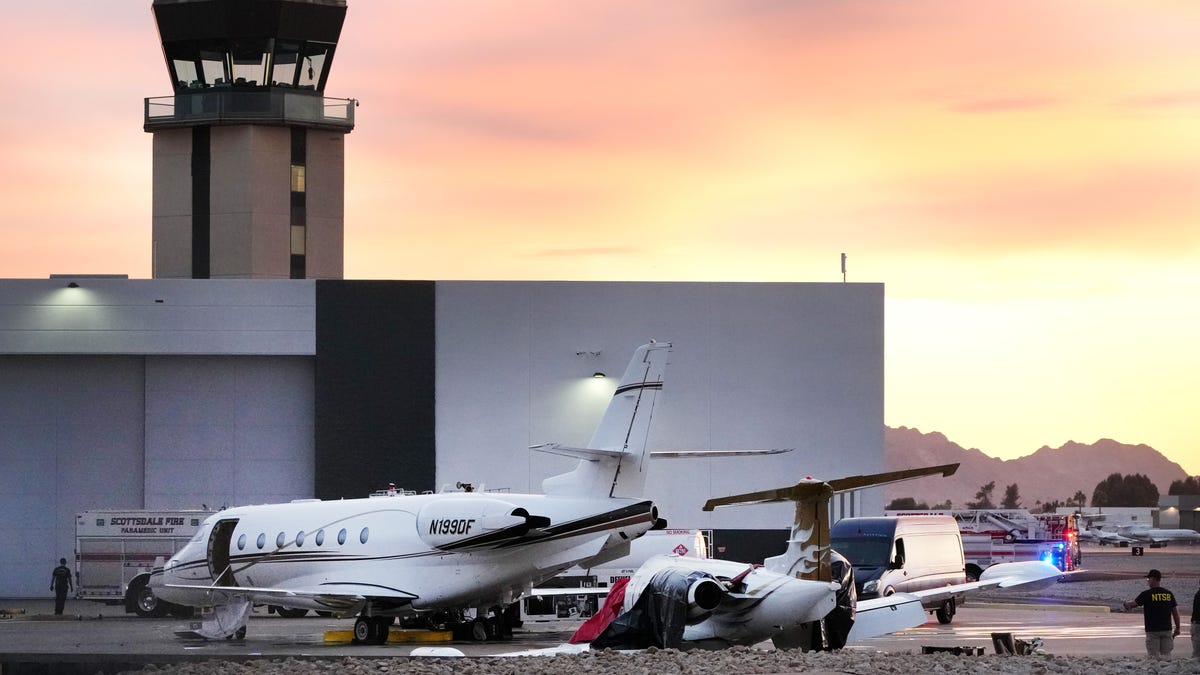
FAA Rejects Mandatory Learjet Inspection After Fatal Scottsdale Crash
The NTSB urged the FAA to mandate inspections for certain Learjet models after a fatal crash at Scottsdale Airport, but the FAA rejected the airworthiness directive.

What Did the UPS Flight 6 Report Change About Cargo Fire Safety?
The GCAA final report on the 2010 UPS Flight 6 Boeing 747 cargo fire near Dubai led to critical NTSB and FAA safety changes for lithium battery transport and cargo fire suppression.
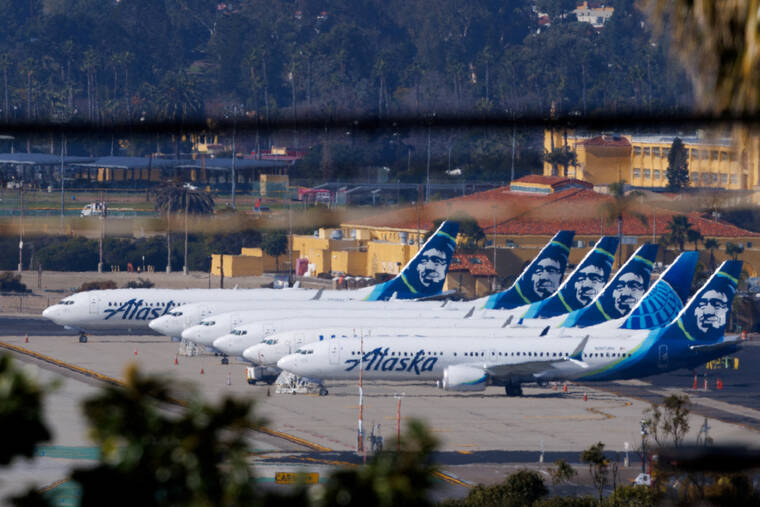
Alaska Airlines Bets Big on Boeing with 110-Jet Order, Fueling Global Ambitions
Alaska Airlines placed its largest aircraft order ever for 110 Boeing 737 MAX 10 and 787-10 jets, signaling confidence in the manufacturer and accelerating its international expansion plan.
How Meticulous Aviation Accident Investigation Methods Drive Global Flight Safety.
Global aviation regulators use meticulous accident investigation methods to examine flight data and wreckage, identifying causal factors and recommending preventive measures to enhance flight safety worldwide.

Alaska Captain Sues Boeing Over 737 Max 9 Door Plug, Claims Blame Shift
Alaska Airlines captain Brandon Fisher is suing Boeing for $10 million, alleging the manufacturer shifted blame to him after the Flight 1282 737 Max 9 door plug blowout.