Dubai Airport Damaged, Flights Halted After Iranian Missile Strike

Aviation News Editor & Industry Analyst delivering clear coverage for a worldwide audience.

Dubai International Airport sustained damage and suspended all flights after an Iranian missile attack injured four people, halting Mideast air travel.
Key Takeaways
- •Sustained minor damage to a concourse at Dubai International (DXB) after an Iranian missile attack.
- •Injured four people in what authorities officially termed an 'incident'.
- •Suspended all flights at both DXB and Al Maktoum International (DWC), halting Emirates and flydubai.
- •Triggered mass flight cancellations and airspace closures across the Middle East.
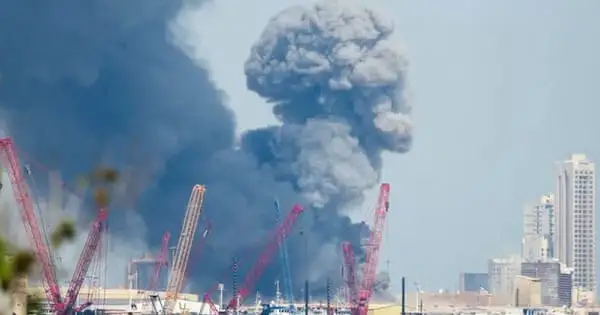
Dubai's international airport, the world's busiest hub for international passengers, sustained damage and suspended all flights following an overnight Iranian missile attack on February 28. According to the Dubai Media Office, the incident resulted in four people injured and caused minor damage to a concourse at Dubai International Airport (DXB). The attack and subsequent security measures triggered a wave of flight suspensions and airspace closures across the Middle East, severely disrupting a critical east-west aviation gateway.
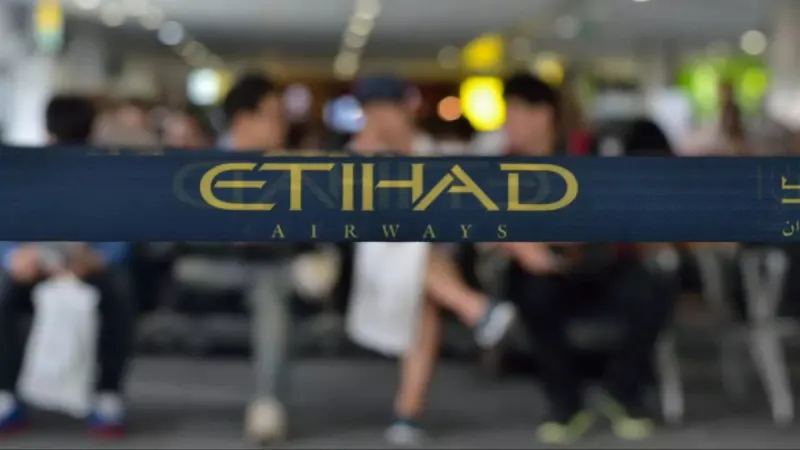
The operational impact was immediate and widespread. Dubai Airports, the operator of both DXB and Al Maktoum International Airport (DWC), suspended all flight operations and urged passengers not to travel to the airports. This decision directly affected the hub carriers Emirates and flydubai, which halted all their operations from Dubai. The disruption rippled across the region, with Etihad Airways suspending all departures from Abu Dhabi International Airport until the morning of March 1. The full extent of the damage to both Dubai and Abu Dhabi airports remains unclear, as aviation sources did not specify whether it resulted from direct impacts or debris from missile interceptions.
Widespread Airspace Closures
In response to the strikes, which also targeted sites in Abu Dhabi and Doha, aviation authorities moved swiftly to secure the skies. The UAE's General Civil Aviation Authority announced a temporary and partial closure of national airspace, as reported by the Wam news agency. This was part of a broader trend of immediate airspace closures during the regional conflict, with countries including Qatar, Bahrain, and Kuwait also restricting access. The result was a near-total shutdown of one of the world's most congested air corridors, with flight-tracking maps showing the region's airspace virtually empty.
The event underscores the vulnerability of global travel hubs to geopolitical conflicts. DXB is a cornerstone of international travel, having handled a record 95.2 million passengers in 2025, according to data from Airports Council International (ACI) World. Its closure chokes a critical transit point, creating a domino effect that strands passengers, crews, and aircraft globally. The incident serves as a stark reminder of the potential for regional instability to have far-reaching consequences for the international aviation network.
Official Statements and Airline Response
Authorities have been measured in their public statements. The Dubai Media Office referred to the event as an "incident" in a post on X, confirming that "a concourse at Dubai International (DXB) sustained minor damage in an incident, which was quickly contained." The office did not provide further details on the nature of the attack.
Airlines communicated directly with passengers regarding the halt in operations. Emirates stated, "Due to multiple regional airspace closures, Emirates has temporarily suspended operations to and from Dubai." Similarly, a flydubai spokesperson noted the dynamic nature of the situation, stating, "This is a developing situation, which we are monitoring closely, and we are working with the relevant authorities while adjusting our flight schedule accordingly." These statements reflect the precautionary measures taken by carriers to ensure the safety of passengers and crew amid the escalating security concerns.
What Comes Next
While Etihad's initial suspension was announced until the morning of March 1, the timeline for a full resumption of services across the UAE and the wider Gulf region remains uncertain. The reopening of airspace and the restoration of full flight schedules are contingent on the evolving security situation and directives from civil aviation authorities. Airlines are expected to provide updates as they receive clearance to operate. Passengers with travel plans in the region are advised to check directly with their airlines for the latest information on flight status. The financial and operational impact on the affected airlines, particularly the Dubai-based carriers, is expected to be significant, though a full assessment will not be possible until operations normalize.
Why This Matters
This attack on a premier global aviation hub highlights the profound impact of regional conflicts on international air travel. The incident demonstrates the vulnerability of even the most modern and secure airports to geopolitical events, forcing a system-wide shutdown that affects millions of passengers and complex airline networks. For the aviation industry, it reinforces the critical need for robust contingency planning and the ability to adapt swiftly to sudden and severe security threats in volatile regions.
Stay ahead of the airline industry with commercial aviation news from flying.flights. Follow aviation sustainability efforts, emissions research, and green initiatives in the Environmental section at flying.flights/environmental.
Written by Ujjwal Sukhwani
Aviation News Editor & Industry Analyst delivering clear coverage for a worldwide audience. Covers flight operations, safety regulations, and market trends with expert analysis.
Visit Profile