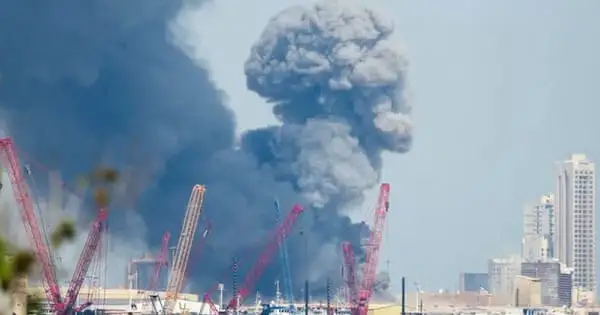
Etihad Airways Halts Abu Dhabi Departures Amid Regional Conflict

Aviation News Editor & Industry Analyst delivering clear coverage for a worldwide audience.
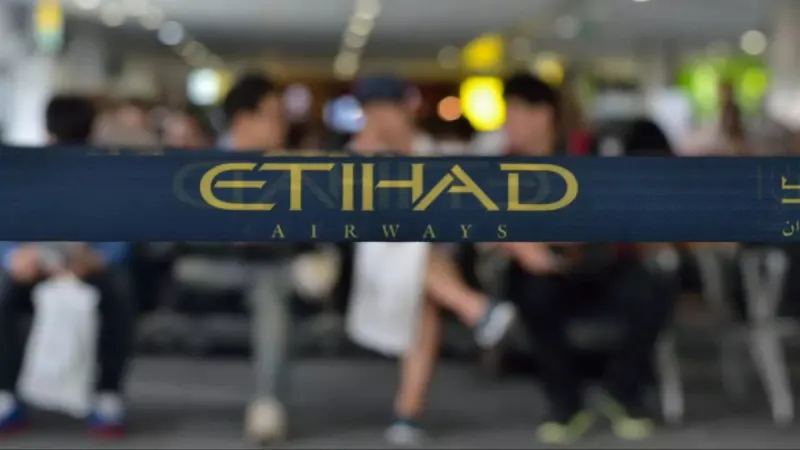
Etihad Airways suspended all departures from Abu Dhabi until March 1 due to regional airspace closures following military strikes on Iran.
Key Takeaways
- •Suspends all departures from Abu Dhabi until 2:00 p.m., March 1, 2026.
- •Cites widespread airspace closures due to military activity in the region.
- •Affects a network of over 1,000 weekly flights to more than 120 destinations.
- •Offers rebooking and accommodation support to impacted passengers.
Etihad Airways has suspended all departures from its hub at Zayed International Airport (AUH) until 2:00 p.m. local time on Sunday, March 1, 2026. The decision follows widespread Middle East airspace closures implemented as a safety precaution amid escalating geopolitical tensions involving Iran, the United States, and Israel, causing significant Gulf air travel chaos.
The suspension impacts the entirety of the airline's outbound operations from Abu Dhabi, with arrivals scheduled before the cutoff time also canceled. For an airline that operates over 1,000 flights per week to more than 120 destinations, the grounding represents a severe disruption to its global network. The move affects thousands of passengers and has created a ripple effect across the region, with other major hubs, including Dubai International Airport (DXB) and Doha’s Hamad International Airport (DOH), also reportedly halting or diverting flights.
Regional Airspace Shutdown
The root cause of the flight disruption is the closure of airspace by several national aviation authorities in the Gulf region. This action was taken as a precautionary safety measure following military strikes. Such closures are formally communicated to airlines and pilots through a Notice to Airmen (NOTAM), an official alert system managed under standards set by the International Civil Aviation Organization (ICAO). The NOTAMs effectively prohibit civilian aircraft from entering specified zones, forcing airlines to either suspend flights or implement lengthy and costly reroutes.
The coordinated response reflects a heightened focus on airline safety in conflict zones, a protocol that has become increasingly stringent across the industry. Airlines and regulators are mandated to avoid airspace where military activities, including active air defense systems, could pose a direct threat to civilian flights. This operational halt by Etihad, the second-largest airline in the United Arab Emirates (UAE), is consistent with these international safety standards.
Operational Response and Passenger Guidance
In a statement, Etihad emphasized that the decision was made with safety as its top priority. The airline is actively managing the situation from its operations center, coordinating with air traffic control and national authorities to monitor when conditions will allow for a safe resumption of services. According to the carrier, flights scheduled to arrive after the 2:00 p.m. suspension period are “expected to operate, subject to operational conditions,” highlighting the fluid nature of the crisis.
For passengers, the impact is immediate and widespread:
- Departures Suspended: No Etihad flights will depart Abu Dhabi before the 2:00 p.m. deadline.
- Arrivals Canceled: Inbound flights scheduled to land before the cutoff have been canceled. Some aircraft already en route were instructed to return to their origin airports.
- Connecting Flights: Passengers with connecting flights through Abu Dhabi may be denied boarding at their initial point of departure if their onward sector is canceled.
Etihad has stated it is proactively contacting affected customers to provide rebooking options, refunds, or hotel accommodation where applicable. The airline is urging all travelers to check their flight status via its official website or mobile app before heading to the airport.
Broader Industry Implications
The suspension at a major hub like Abu Dhabi underscores the aviation industry's vulnerability to geopolitical events. The airspace closures force long-haul flights between Europe and Asia to circumnavigate the region, adding hours to flight times and increasing fuel consumption. This scenario aligns with a broader industry trend of dynamic airspace management, where airlines must rapidly adjust to unforeseen restrictions. The protocols for managing such events are guided by frameworks like the ICAO's 'Risk Assessment Manual for Civil Aircraft Operations Over or Near Conflict Zones', which provides states and operators with a structured approach to risk mitigation.
The situation is expected to remain volatile. The resumption of normal operations is contingent on national authorities lifting the airspace restrictions once the military situation de-escalates and the threat to civil aviation is deemed to have passed. Until then, widespread cancellations and delays are expected to continue across the Middle East.
Why This Matters
This large-scale operational shutdown highlights the critical dependence of global aviation networks on the stability of key transit regions like the Middle East. The event serves as a stark reminder of how quickly geopolitical conflicts can translate into tangible, worldwide travel disruption. For aviation professionals, it reinforces the non-negotiable primacy of safety protocols, even at the cost of significant commercial and logistical challenges.
flying.flights provides comprehensive commercial aviation news covering airlines, aircraft, and airports. Follow aviation sustainability efforts, emissions research, and green initiatives in the Environmental section at flying.flights/environmental.
Written by Ujjwal Sukhwani
Aviation News Editor & Industry Analyst delivering clear coverage for a worldwide audience. Covers flight operations, safety regulations, and market trends with expert analysis.
Visit Profile