EASA Issues High-Risk Advisory for Middle East & Persian Gulf Airspace

Aviation News Editor & Industry Analyst delivering clear coverage for a worldwide audience.

EASA issued a Conflict Zone Information Bulletin advising operators of high risks to civil aviation in the Middle East due to regional military tensions.
Key Takeaways
- •Advises air operators of high risks in Middle East and Persian Gulf airspace.
- •Covers airspace of 11 countries including Iran, Iraq, Israel, and Saudi Arabia.
- •Cites risk of misidentification due to advanced military air-defence systems.
- •Prompts flight suspensions and rerouting by major international airlines.
The European Union Aviation Safety Agency (EASA) has issued a formal advisory for the airspace over the Middle East and Persian Gulf, warning of high risks to civil aviation. The bulletin was prompted by heightened regional military tensions, including recent strikes in Iran involving Israel and the United States, which have elevated the potential for danger to commercial flights operating in the region.
The advisory, detailed in Conflict Zone Information Bulletin (CZIB) 2026-03, recommends that air operators avoid the affected airspace. This EASA conflict zone bulletin is a critical piece of guidance for airlines navigating one of the world's most vital air transit corridors, connecting Europe with Asia and Africa. The disruption underscores the growing challenge of managing geopolitical risk in aviation operations.
Scope of the Advisory
The EASA CZIB covers a wide and strategically important area, encompassing the entire airspace of Bahrain, Iran, Iraq, Israel, Jordan, Kuwait, Lebanon, Oman, Qatar, the United Arab Emirates, and Saudi Arabia. The bulletin was issued by the Integrated EU Aviation Security Risk Assessment Group (IRAG), the EASA team responsible for identifying high-risk airspace. The initial guidance was published with a validity period until March 2, 2026, and is subject to ongoing review based on security developments.
The agency's risk assessment highlights the specific dangers present. In its official statement, EASA noted, “The possession of all-altitude capable air-defence systems, cruise and ballistic missiles and the use of air assets capable to operate at all-altitudes, including interception capability make the entire affected airspace vulnerable to spill-over risks, misidentification, miscalculation and failure of interception procedures.” This civil aviation security advisory effectively places a high-risk label on the numerous Flight Information Regions (FIRs) managed by these nations.
Industry Impact and Operational Response
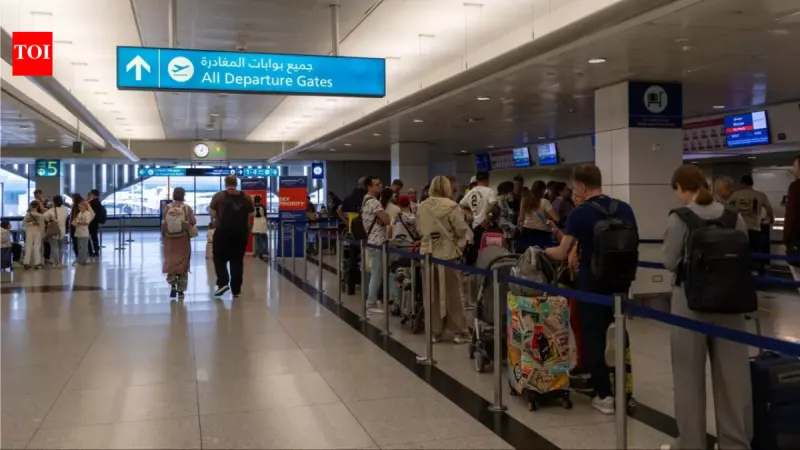
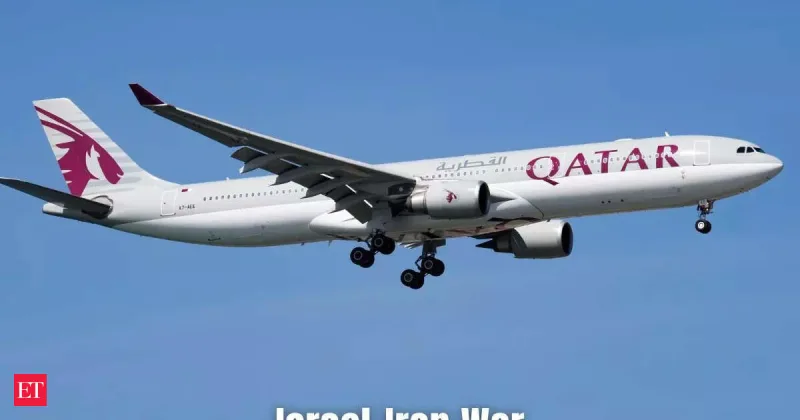
The immediate impact on civil aviation has been significant. Following the issuance of the CZIB and related Notice to Airmen (NOTAMs) from national authorities, several international airlines initiated flight suspensions or significant rerouting to avoid the designated high-risk zones. Multiple countries, including the UAE, Qatar, Kuwait, Israel, and Iran, temporarily closed their airspace to all traffic as a precautionary measure.
These actions have led to widespread operational disruptions, including longer flight times on key east-west routes and numerous flight cancellations. As the Middle East serves as a critical global hub, the airspace closure has had a cascading effect on international flight corridors, impacting schedules and connectivity for passengers worldwide. The situation requires continuous air operator risk assessment to ensure the safety of crews and passengers, forcing airlines to make complex logistical decisions that balance safety with operational continuity.
Regulatory Context and Precedent
Conflict Zone Information Bulletins are a primary tool used by EASA to disseminate threat information to air carriers under its jurisdiction. While not legally binding in the same way as an Airworthiness Directive, they represent the agency's official risk assessment and are typically followed closely by all European operators. The recommendations within a CZIB are based on a thorough analysis of the military capabilities present in a conflict area and the potential for those activities to endanger civilian aircraft.
The core danger identified is the risk of misidentification. In a tense military environment with advanced, long-range air defense systems active, a civilian airliner could be mistaken for a hostile target. This bulletin serves as a formal mechanism to ensure all operators are aware of the assessed threat level and can incorporate EASA's recommendations into their own safety management systems. The agency maintains a public list of its advisories on its official conflict zones page to provide transparent and up-to-date information.
Why This Matters
This EASA bulletin highlights the direct and disruptive impact of geopolitical instability on the global aviation network. For airlines, it necessitates costly and complex operational adjustments, while for the wider industry, it reinforces the critical need for robust, internationally coordinated risk assessment protocols. The advisory underscores that even in an era of advanced navigation and communication, regional conflicts can render vast swathes of critical airspace unusable, posing a persistent challenge to the safety and efficiency of international travel.
For in-depth airline coverage and commercial aviation news, flying.flights delivers timely industry insights. For airline finances, mergers, and industry strategy, visit the Business category at flying.flights/business.
Written by Ujjwal Sukhwani
Aviation News Editor & Industry Analyst delivering clear coverage for a worldwide audience. Covers flight operations, safety regulations, and market trends with expert analysis.
Visit Profile