Why Did the FAA Mandate 25-Hour Cockpit Voice Recorders for New Aircraft?
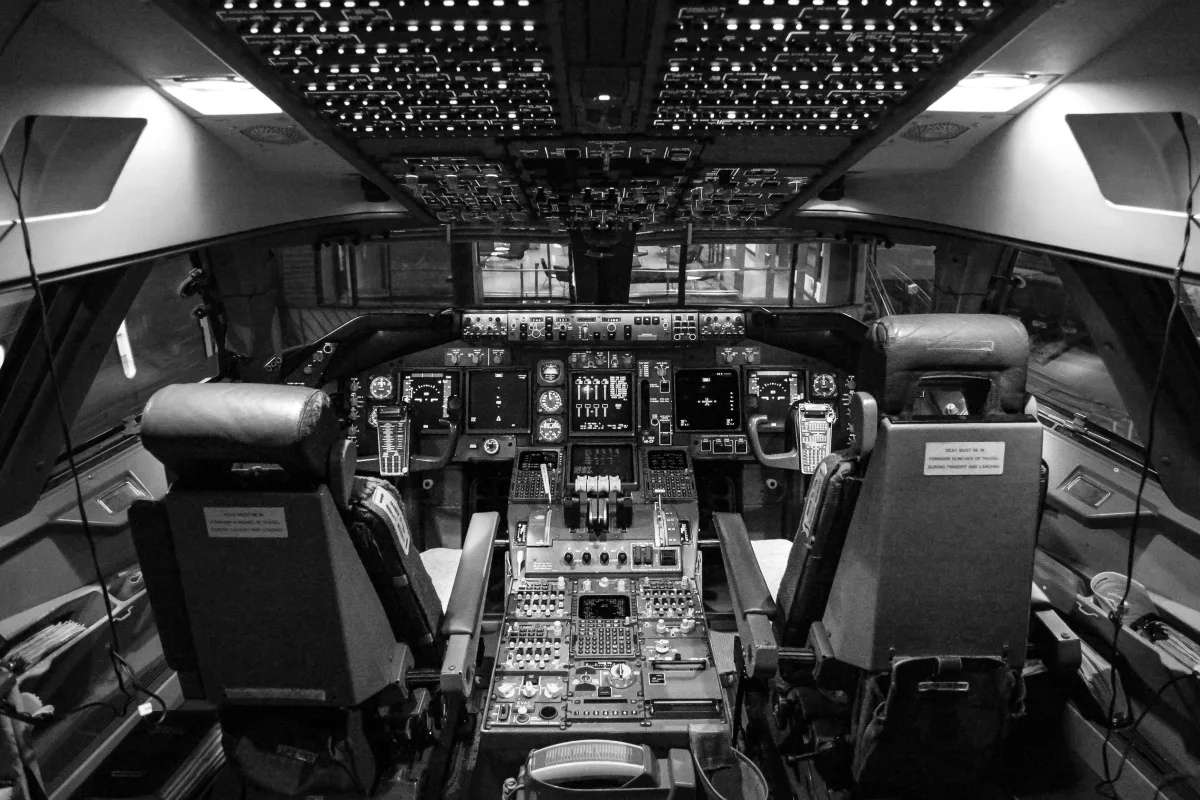
The FAA finalized a rule mandating 25-hour CVRs for newly manufactured aircraft, aligning with global standards and improving accident investigations.
Regulatory aviation updates on FAA rules, EASA directives, international compliance, and policy changes affecting airlines and airports.
The FAA finalized a rule mandating 25-hour CVRs for newly manufactured aircraft, aligning with global standards and improving accident investigations.
Aviation battery start-up H55 successfully demonstrated its battery module certifiability to EASA, marking a major regulatory milestone for electric flight.
US President Trump threatened a 50% tariff and decertification of Bombardier and all Canadian-made aircraft unless Transport Canada certifies Gulfstream jets.
China's State Administration for Market Regulation aims to establish a low-altitude economy standards system by 2027; over 300 standards are targeted by 2030 to support the strategic sector.
The FAA issued an emergency Airworthiness Directive for all Airbus Helicopters Model H160-B rotorcraft, mandating a fix for a main rotor pitch rod rupture risk.
The FAA finalized a rule requiring 25-hour cockpit voice recorders on new aircraft to prevent data loss in accident investigations, replacing the two-hour standard; pilot unions fear surveillance.
Switzerland adopted ReFuelEU Aviation on January 1, 2026, requiring fuel suppliers at Zurich and Geneva airports to ensure a minimum 2% Sustainable Aviation Fuel blend, with a 70% target by 2050.
The FAA mandated 25-hour cockpit voice recorders for new aircraft by 2027 and retrofits by 2030; this critical safety upgrade aligns the US with global ICAO standards.
The FAA initiated new helicopter traffic restrictions near Ronald Reagan Washington National Airport (DCA) and the Potomac River, effective January 31, 2026, to address midair collision risks.
The FAA updated a Boeing 787 Airworthiness Directive, clarifying which Dreamliners with production-installed moisture management devices are exempt from certain leak inspection requirements.
Congress is moving a funding bill that restricts the FAA from using FY2026 funds to research reduced-crew operations, effectively mandating two pilots.
The Independent Consumer and Competition Commission (ICCC) is continuing its inquiry into Papua New Guinea's aviation sector, focusing on high airfares, competition, and service quality.
IATA warns global airlines of mounting legal and regulatory risks from ESG, AI, and privacy rules, setting the stage for the 2026 World Legal Symposium in Warsaw.
The Nigeria Civil Aviation Authority (NCAA) clarified that the viral Air France water protest video is old, confirming it is not linked to any recent Abuja flight; an investigation is ongoing.
The FAA made helicopter restrictions permanent near Reagan National Airport (KDCA) after a 2025 midair collision and urgent NTSB safety recommendations.
The FAA announced a major internal overhaul, consolidating safety oversight and launching an Airspace Modernization Office; this is driven by a 2024 Congressional mandate and a fatal midair collision.
The FAA announced its largest organizational restructure to boost efficiency and support ambitious air traffic control modernization plans.
The FAA announced its largest-ever structural overhaul, centralizing safety activities into one office to implement a single Safety Management System.
The FAA announced a major organizational overhaul, creating a single safety oversight office to unify its Safety Management System and risk strategy.
The FAA issued NOTAM FDC 6/4375, creating a dynamic, nationwide drone no-fly zone around DHS/ICE mobile assets; this raises major compliance concerns for UAS pilots.