Air India Repatriates 149 Passengers from Dubai After Conflict Halts Flights

Aviation News Editor & Industry Analyst delivering clear coverage for a worldwide audience.

Air India repatriated 149 passengers from Dubai after a regional conflict caused widespread flight cancellations, stranding international travelers.
Key Takeaways
- •Repatriated 149 passengers and 8 crew from Dubai on flight AI916D after regional conflict.
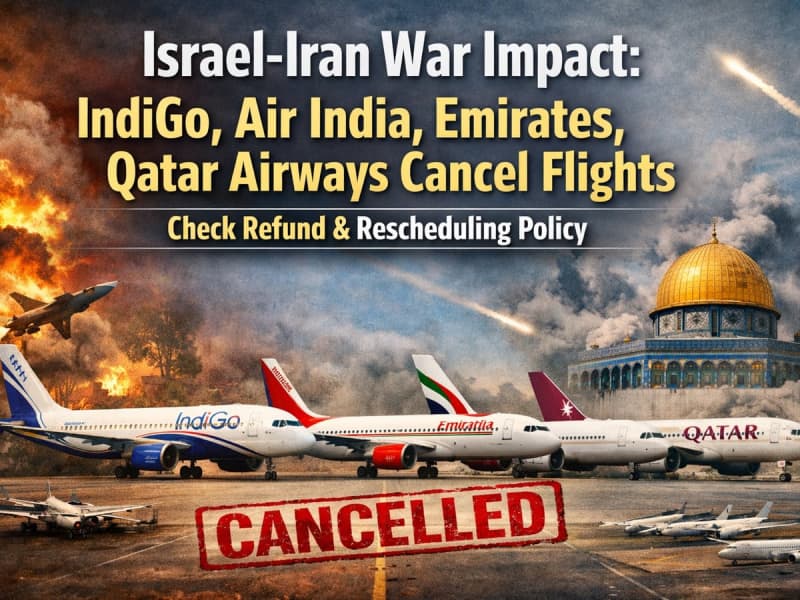
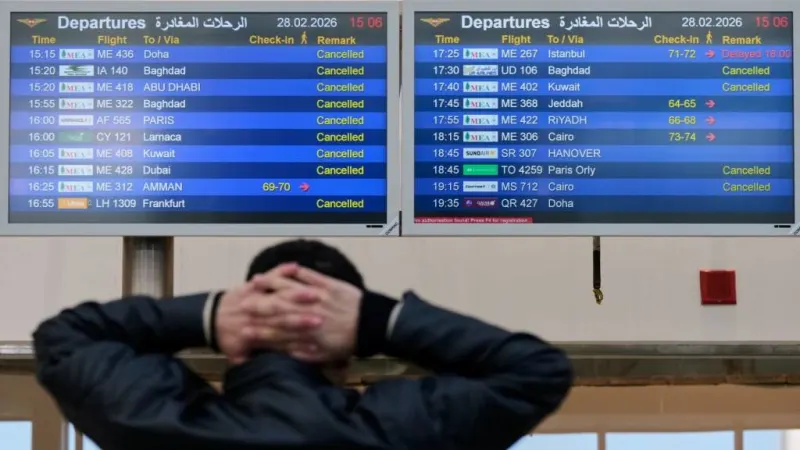
- •Followed widespread disruption where over 3,400 flights were cancelled starting February 28.
- •Stranded passengers reported significant financial burdens from unplanned extended stays.
- •Dubai airports began a limited resumption of flight operations on March 2.
An Air India (AI) flight carrying 149 passengers and eight crew members from Dubai landed at New Delhi's Indira Gandhi International Airport (IGI) on March 3, marking a critical step in repatriating Indian citizens stranded by a sudden regional conflict. The flight, AI916D, was the first international arrival by an Indian carrier into the capital following widespread airspace closures in West Asia that began on February 28.
The disruption stemmed from geopolitical tensions, which led to the cancellation of over 3,400 flights by March 1, according to industry data. The sudden halt in air traffic left thousands of travelers, including many Indian tourists, stranded in the United Arab Emirates (UAE). Passengers arriving in New Delhi recounted the significant financial impact of the unexpected cancellations, citing the high cost of extending their stays in Dubai.
Passenger Impact and Airline Response
Travelers described facing unplanned expenses for accommodation and other necessities while awaiting flight resumptions. One passenger from Noida, whose return was scheduled for February 28, noted the financial strain and expressed hope for government assistance for other stranded Indians. Despite the anxiety caused by security alarms, passengers reported that the situation on the ground in Dubai remained calm and that local authorities provided support where possible.
In a statement posted on social media, Air India confirmed the arrival of flight AI916D. The airline stated, "We are happy to welcome our guests and crew from Dubai aboard flight AI916D. This is the first flight by an Indian carrier to arrive in New Delhi today with 149 passengers and 8 operating crew members onboard, amid the ongoing situation in the Middle East."
This repatriation flight is a common crisis response mechanism in the airline industry, where national carriers often coordinate with governments to bring citizens home from conflict zones or areas affected by natural disasters. The operation underscores the logistical challenges airlines face during such events, including securing flight permissions, ensuring crew safety, and managing passenger communications.
Airport Operations and Regional Disruption
On the evening of March 2, Dubai Airports, the operator of both Dubai International Airport (DXB) and Al Maktoum International Airport (DWC), confirmed a limited and gradual resumption of operations. This allowed for a small number of flights to depart and arrive, prioritizing humanitarian and repatriation missions. The disruption's impact extended beyond the UAE, with carriers in neighboring Oman also temporarily suspending services. Flights operated by Air India, IndiGo, Salam Air, and Oman Air from Muscat were halted for 24 hours before resuming.
The Middle East is a critical nexus for global aviation, with its major hubs in Dubai, Doha, and Abu Dhabi serving as the primary bridge for East-West traffic. Airports in the UAE, Qatar, Kuwait, and Bahrain collectively handle approximately 600,000 passengers daily and represent over 5% of global international air traffic. Consequently, airspace closures in this region have a cascading effect on global travel, affecting connecting routes to India, Southeast Asia, and Europe.
Airlines operating long-haul routes are forced to implement costly and time-consuming rerouting strategies to avoid conflict zones. These alternative flight paths can add between two and five hours to journey times, significantly increasing fuel consumption and operational costs. These expenses are often eventually passed on to passengers in the form of higher ticket prices or fuel surcharges.
Why This Matters
The incident highlights the aviation industry's acute vulnerability to geopolitical instability. For airlines, such events trigger complex crisis management protocols focused on passenger safety, operational continuity, and financial mitigation. For global supply chains and international business, the disruption of major air hubs like Dubai demonstrates how regional conflicts can have immediate and far-reaching economic consequences. The successful repatriation flight by Air India also reinforces the strategic importance of national carriers during international crises.
Trusted commercial aviation news and airline industry reporting are available at flying.flights. For airline finances, mergers, and industry strategy, visit the Business category at flying.flights/business.
Written by Ujjwal Sukhwani
Aviation News Editor & Industry Analyst delivering clear coverage for a worldwide audience. Covers flight operations, safety regulations, and market trends with expert analysis.
Visit Profile