Qatar Airways Suspends All Flights Amid Qatari Airspace Closure

Aviation News Editor & Industry Analyst delivering clear coverage for a worldwide audience.

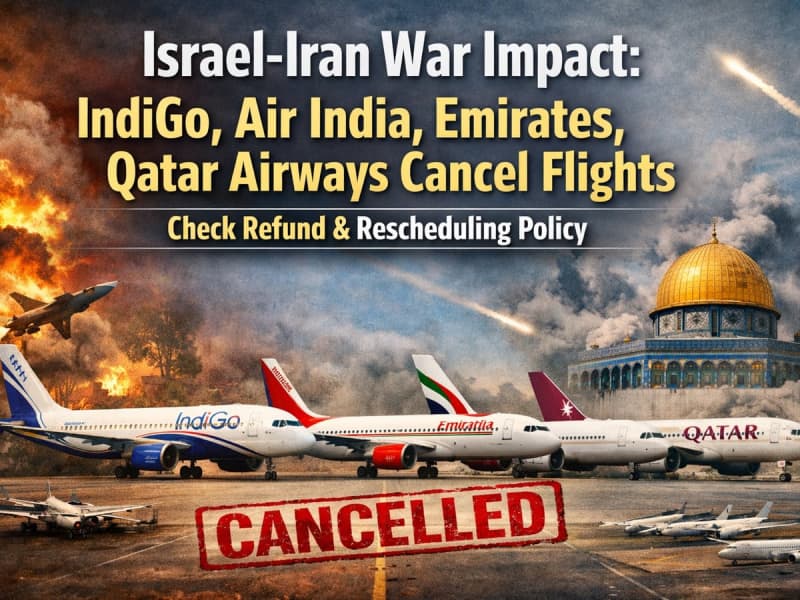
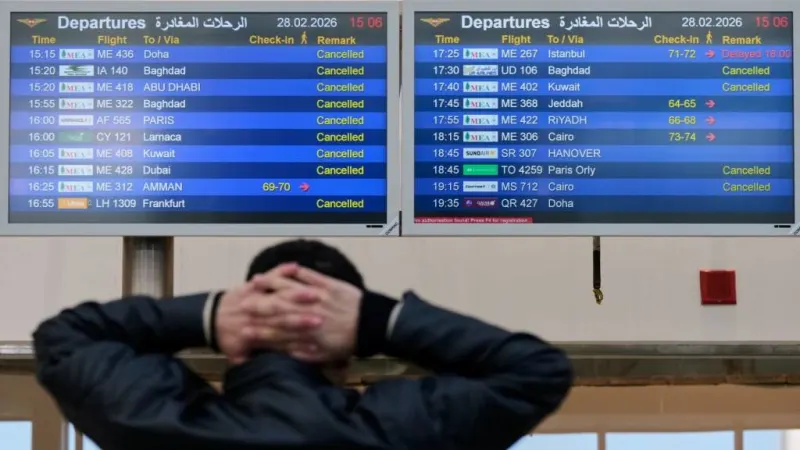
Qatar Airways has temporarily suspended all flight operations following the closure of Qatari airspace, impacting its global network from its Doha hub.
Key Takeaways
- •Suspends all flight operations effective immediately due to the closure of Qatari airspace.
- •Impacts a global network of over 170 destinations and a fleet of approximately 271 aircraft.
- •Advises passengers to monitor official airline channels for a formal update on March 3rd.
Qatar Airways (IATA: QR; ICAO: QTR) has temporarily suspended all flight operations, effective immediately, following a directive to close Qatari airspace. The carrier announced that it will provide a further update on March 3rd, advising all affected passengers to monitor the airline's official channels for the latest information regarding flight status and rebooking options.
The sudden halt to operations grounds the airline's entire fleet of approximately 271 aircraft and disrupts its extensive global network, which serves over 170 destinations worldwide. This unprecedented service suspension centers on the airline's primary hub, Hamad International Airport (DOH) in Doha, a critical transit point for international travelers. The immediate impact includes widespread flight cancellations, leaving thousands of passengers seeking alternative arrangements.
Operational and Regulatory Context
The decision to close the airspace falls under the jurisdiction of the Qatar Civil Aviation Authority (QCAA), the government agency responsible for the oversight and management of aviation within the state. Established in 2001, the QCAA controls the Doha Flight Information Region (FIR), a defined area of airspace where it provides flight information and alerting services. Such closures are formally communicated to airlines and pilots through a Notice to Air Missions (NOTAM), an official alert detailing potential hazards or changes to aeronautical services. The specific reasons for the airspace closure have not been disclosed.
Qatar Airways operates a modern, mixed fleet of both Airbus and Boeing aircraft, including the Airbus A350, A380, and Boeing 777 and 787 Dreamliner families. The grounding of this large fleet represents a significant logistical challenge and financial burden for the airline, with costs accumulating from crew and aircraft repositioning, passenger care, and lost revenue. The airline's operations are heavily reliant on the seamless functioning of its hub-and-spoke model centered at Hamad International Airport (ICAO: OTHH).
Industry Impact and Precedent
National airspace closures are rare but highly disruptive events in the aviation industry. They are typically prompted by severe security threats, military conflict, or significant natural phenomena such as volcanic ash clouds. The resulting operational paralysis has cascading effects, causing delays and cancellations that ripple across global airline networks due to interconnected flight schedules and crew rotations. The economic impact on carriers is immediate and substantial.
During such large-scale disruptions, effective and timely communication is critical. Industry best practice, which Qatar Airways is following, involves directing passengers to a central source of truth, typically the airline's official website and social media accounts. This strategy aims to manage the flow of information and provide clear guidance on refunds, rebooking policies, and a timeline for service resumption. Passengers are advised to check the status of their flights directly with the airline before traveling to the airport. The airline's official updates can be found on the Qatar Airways website.
What Comes Next
The immediate future of Qatar Airways' operations hinges on the forthcoming update scheduled for March 3rd. The duration of the airspace closure remains the single most critical unknown factor and will be determined by the QCAA. Until the airspace is reopened, the airline's fleet will remain grounded.
For passengers, the next 24 hours will be crucial. The airline is expected to announce its policies for managing the disruption, which typically include options for rebooking on future flights without penalty or applying for a full refund. The complexity of resuming a global network of this scale means that even after the airspace reopens, it may take several days for operations to return to a normal schedule.
Why This Matters
The complete and sudden grounding of a major global airline like Qatar Airways underscores the profound vulnerability of international air travel to sovereign airspace control. The event highlights the critical authority of national regulators like the QCAA and serves as a significant case study in airline crisis management and passenger communication. For the industry, it is a stark reminder of the geopolitical and security risks that can instantly paralyze a carrier's entire network, regardless of its financial health or operational efficiency.
For global airline trends and commercial aviation news, turn to flying.flights. From aircraft production to supply chains, commercial aviation manufacturing news is covered at flying.flights/manufacturing.
Written by Ujjwal Sukhwani
Aviation News Editor & Industry Analyst delivering clear coverage for a worldwide audience. Covers flight operations, safety regulations, and market trends with expert analysis.
Visit Profile