Middle East Conflict Halts Flights for Air India, Emirates, IndiGo

Aviation News Editor & Industry Analyst delivering clear coverage for a worldwide audience.
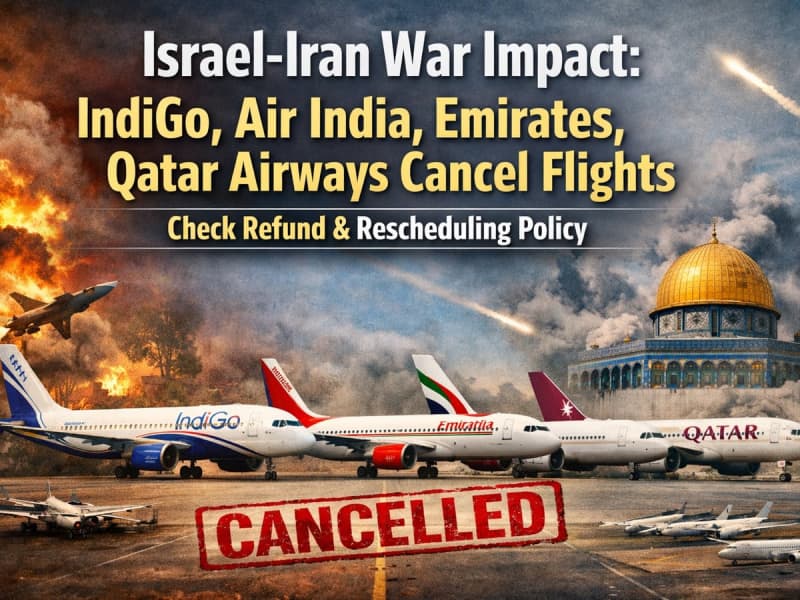
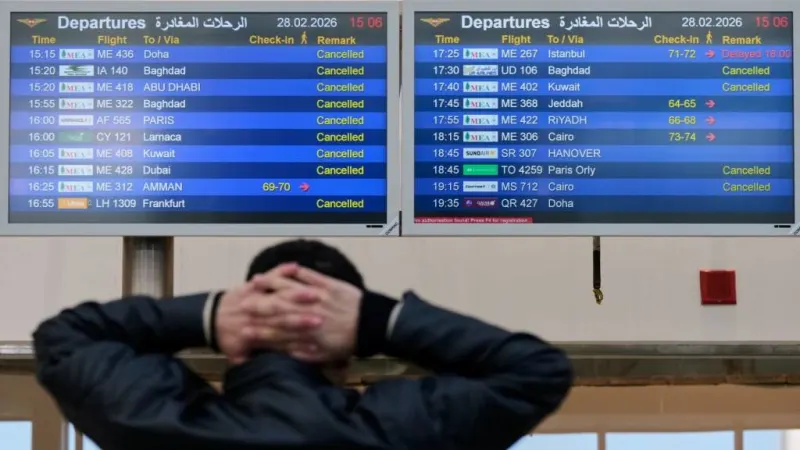
Airlines including Air India, Emirates, and IndiGo have cancelled Middle East flights due to airspace closures, offering refunds and rescheduling options.
Key Takeaways
- •Canceled hundreds of flights across the Middle East due to regional conflict and airspace closures.
- •Offers full refunds or complimentary rescheduling for affected passengers on major carriers like Air India and IndiGo.
- •Disrupted major international hubs including Dubai (DXB) and Doha (DOH), impacting global travel.
- •Forced long-haul carriers to reroute Asia-Europe flights, leading to increased flight times and operational costs.
Escalating geopolitical conflict between Israel and Iran has triggered widespread airspace closures across the Middle East, forcing major international and Indian carriers to cancel hundreds of flights and reroute long-haul services. The disruption has paralyzed key global transit hubs and stranded thousands of passengers. According to an official statement, Air India (AI) extended the suspension of all its flights to and from the Middle East until 23:59 Indian Standard Time (IST) on March 3, 2026.
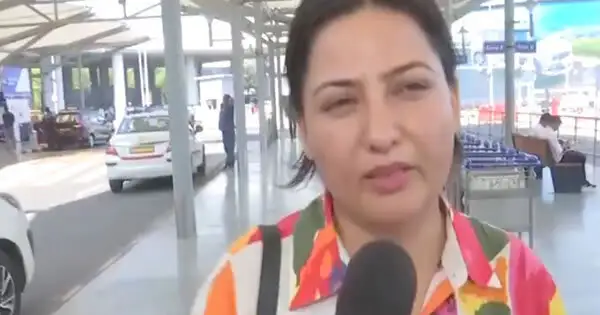
The immediate operational impact is significant, affecting airlines that rely heavily on Middle Eastern airspace for connecting flights between Asia, Europe, and North America. The closure of airspace by multiple countries, including Iran, Israel, Iraq, and the United Arab Emirates (UAE), has been communicated through official Notice to Airmen (NOTAMs). These notices, which alert pilots to potential hazards, have effectively severed critical flight corridors. As of March 3, 2026, nearly 80 international flights were cancelled at Delhi's airport alone, illustrating the cascading effect on global travel networks.
Airline Responses and Passenger Policies
In response to the unprecedented disruption, affected airlines have issued statements and implemented flexible policies for passengers. The measures primarily focus on providing refunds or complimentary rebooking options.
Air India, now owned by the Tata Group, is offering a full refund or complimentary rescheduling for passengers with bookings made on or before February 28, 2026, for travel up to March 5, 2026. This policy aims to accommodate travelers whose plans were abruptly changed by the flight suspensions. Passengers can find official updates on the airline's Travel Alerts page.
Indian carrier IndiGo has also instituted a waiver for its customers. The airline is offering a full refund or free rescheduling for travel to and from the Middle East until March 7, 2026. This applies to all bookings made on or before February 28, 2026.
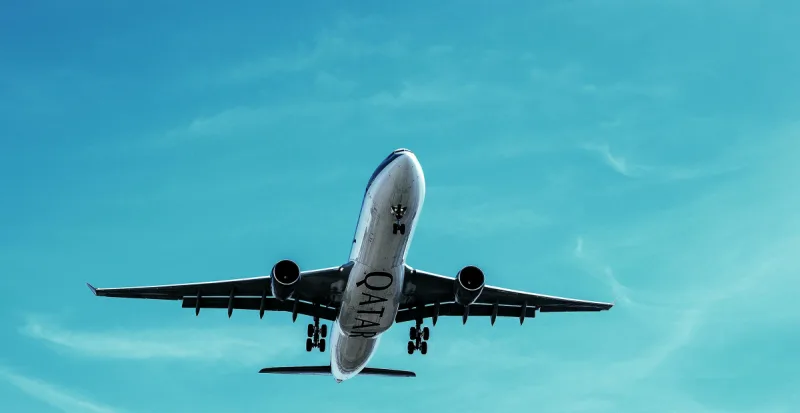
Gulf carriers, which operate out of the region's major hubs, have been severely impacted. Emirates suspended all operations to and from its hub at Dubai International Airport (DXB), the world's busiest airport for international travelers, until 3:00 pm (UAE time) on March 3, 2026. Similarly, Qatar Airways announced a temporary suspension of all flight operations following the closure of Qatari airspace.
Broader Industry Impact
The conflict's impact extends beyond immediate cancellations. The situation has forced a massive rerouting of east-west flights, with carriers now taking longer, more costly paths to avoid the entire conflict zone. These alternative routes increase flight times and fuel consumption, driving up operational expenses for airlines already navigating a complex global market. The disruption of critical hubs like Dubai (DXB) and Doha (DOH) creates a domino effect, causing delays and connection issues across the global aviation system.
From a regulatory standpoint, the situation is classified as an "extraordinary circumstance." Under regulations like the UK/EU 261, this designation means that while airlines are obligated to offer a full refund or an alternative flight, they are not required to pay additional monetary compensation to passengers for the disruption. This is a crucial distinction for both airline liability and passenger expectations. Furthermore, most standard travel insurance policies explicitly exclude coverage for cancellations caused by "acts of war," leaving passengers to rely primarily on airline-provided waivers and policies.
What Comes Next
The duration of the flight suspensions remains uncertain and is entirely dependent on the geopolitical situation and the subsequent reopening of airspace by national civil aviation authorities. Airlines are continuously monitoring developments and extending cancellations on a rolling basis as new NOTAMs are issued. The primary focus for carriers is ensuring the safety of passengers and crew while managing the logistical challenge of rebooking thousands of affected travelers. The Indian aviation regulator, the Directorate General of Civil Aviation (DGCA), is also monitoring the situation closely and coordinating with Indian airlines.
Why This Matters
This large-scale disruption underscores the aviation industry's acute vulnerability to geopolitical instability. It highlights how regional conflicts can have immediate and far-reaching consequences for global connectivity, paralyzing major hubs and forcing costly operational adjustments. The event serves as a critical test of airline crisis management protocols, communication strategies, and their ability to handle mass passenger disruption under circumstances beyond their control.
Stay ahead of the airline industry with commercial aviation news from flying.flights. Discover how innovation is shaping aviation through aircraft systems, avionics, and digital tools at flying.flights/technology.
Written by Ujjwal Sukhwani
Aviation News Editor & Industry Analyst delivering clear coverage for a worldwide audience. Covers flight operations, safety regulations, and market trends with expert analysis.
Visit Profile