UK Police Warn of Flight Scams After Couple Loses £2,500

Aviation News Editor & Industry Analyst delivering clear coverage for a worldwide audience.
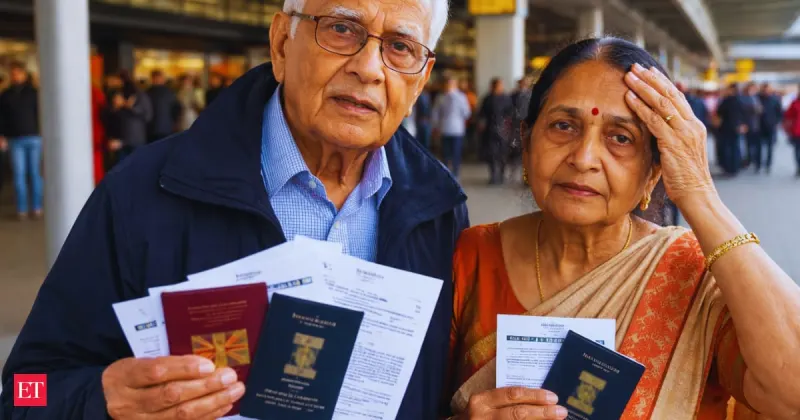
An elderly UK couple lost over £2,500 in a flight ticket scam, prompting police warnings about rising online travel fraud conducted via WhatsApp.
Key Takeaways
- •Highlights an elderly couple's loss of over £2,500 in a sophisticated WhatsApp flight ticket scam.
- •Cites Action Fraud data showing over £11 million was lost to UK holiday scams in the last year.
- •Warns of common tactics including brand impersonation and pressure to pay via unprotected bank transfers.
- •Advises travellers to verify ATOL/ABTA protection and use secure payment methods like credit cards.
An elderly couple from Leicester lost over £2,500 in a sophisticated flight ticket scam, discovering their tickets were fraudulent only upon arrival at the check-in desk at London Heathrow Airport (LHR). The incident underscores a growing trend of online travel agency fraud, often conducted through messaging apps, prompting renewed warnings for consumer vigilance.
The case is a stark example of a wider national issue. According to Action Fraud, the UK's national fraud and cybercrime reporting centre, over £11 million was lost to holiday booking scams in the country in the previous year. Data from Leicestershire Police further highlights the scale of the problem, indicating that fraud and cybercrime now account for approximately half of all reported crimes in England and Wales. These scams not only cause significant financial loss but also leave travelers stranded and disrupt carefully planned journeys.
The Anatomy of a Modern Travel Scam
Criminals are increasingly leveraging technology and social engineering to appear legitimate. A common tactic, as seen in this case, involves moving communications to encrypted messaging platforms like WhatsApp to build a false sense of trust and evade detection. Fraudsters often impersonate trusted brands by creating fake websites, social media profiles, and email addresses that closely mimic well-known airlines or booking agents.
A key red flag is the pressure to pay via direct bank transfer. Scammers frequently offer a discount for moving off secure payment platforms, knowing that bank transfers offer little to no consumer protection and are difficult to reverse. Nicole McIntyre, a supervisor in the Leicestershire Police's fraud team, explained that criminals "use technology to pretend to be someone else, there's a lot of spoofing software which can present different phone numbers or text message IDs." She strongly advises consumers to pause and seek advice from a trusted source before transferring any money.
While this incident involved an elderly couple, data suggests a broader demographic is at risk. According to 2025 research from McAfee, nearly one in five UK travellers (17%) have been victims of holiday booking scams. The report also found that younger travellers are the most vulnerable group, with 39% of 18 to 24-year-olds being affected.
Regulatory Framework and Consumer Protection
The UK has several layers of consumer protection for travel, though their applicability depends on how a trip is booked. The Civil Aviation Authority (CAA), the UK's aviation regulator, runs the Air Travel Organisers' Licensing (ATOL) scheme. This program provides financial protection for most air package holidays sold by UK-based travel companies, ensuring consumers do not lose money or become stranded abroad if the company collapses.
Similarly, the Association of British Travel Agents (ABTA) offers protection for non-flight-based package holidays. However, these schemes typically do not cover flight-only bookings or arrangements made with fraudulent entities that are not legitimate members. UK law, under the Consumer Protection from Unfair Trading Regulations 2008, requires legitimate online booking sites to be transparent and show total prices upfront. Despite these regulations, criminals operating outside the legal framework exploit gaps in consumer awareness.
How Travellers Can Protect Themselves
Authorities and industry bodies recommend several steps to avoid falling victim to a flight ticket scam. Before booking, consumers should verify that their travel provider is a member of a recognised trade body like ABTA and, for package holidays including flights, that they are ATOL protected. This can often be verified on the CAA and ABTA websites.
Payment method is a critical line of defence. Whenever possible, travellers should pay by credit card, as Section 75 of the Consumer Credit Act offers protection for purchases over £100. Debit card payments may offer some protection through the chargeback scheme, but direct bank transfers are highly risky. Victims of fraud are urged to report incidents immediately to their bank and to the national reporting centre, Action Fraud. For official guidance on booking securely, travellers can consult resources from trade bodies such as ABTA.
Why This Matters
This incident highlights the erosion of consumer trust in the digital travel marketplace. As scammers' tactics grow more sophisticated, potentially incorporating AI and deepfakes, the need for enhanced digital literacy among travellers of all ages becomes critical. For the aviation and travel industries, maintaining the integrity of the booking process is essential for consumer confidence and requires a coordinated effort between platforms, financial institutions, and law enforcement.
flying.flights is your source for accurate commercial aviation news and global aviation updates. Track policy changes, airspace rules, and global aviation governance in the Regulatory category at flying.flights/regulatory.
Written by Ujjwal Sukhwani
Aviation News Editor & Industry Analyst delivering clear coverage for a worldwide audience. Covers flight operations, safety regulations, and market trends with expert analysis.
Visit Profile